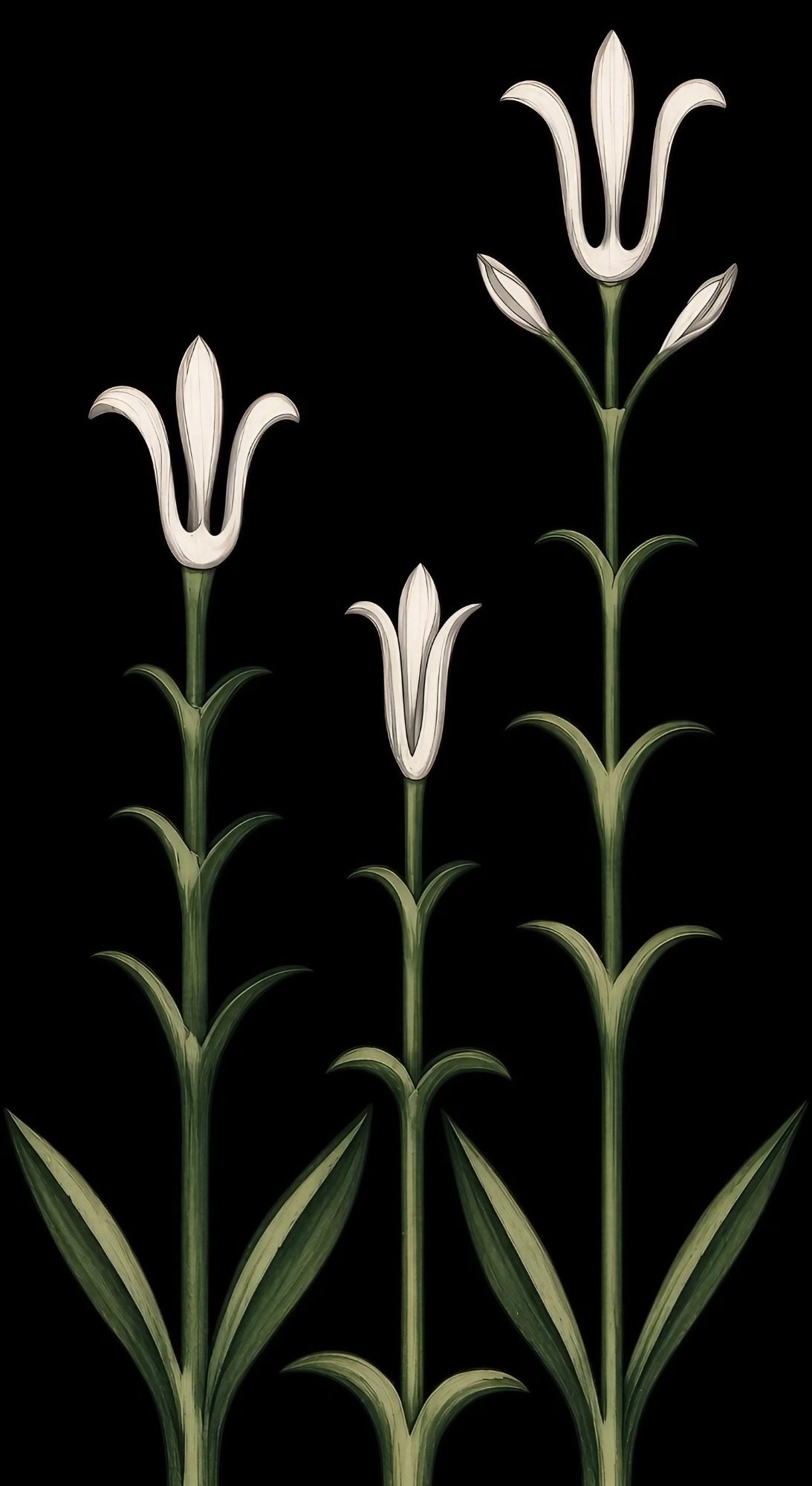
E M O T I O N S
A six-part visual exploration of human feeling—each image a visceral echo of the soul’s journey, inspired by Nikolai Gogol’s haunting novel, Dead Souls. Acrylic on canvas, 12 x 16 inches.
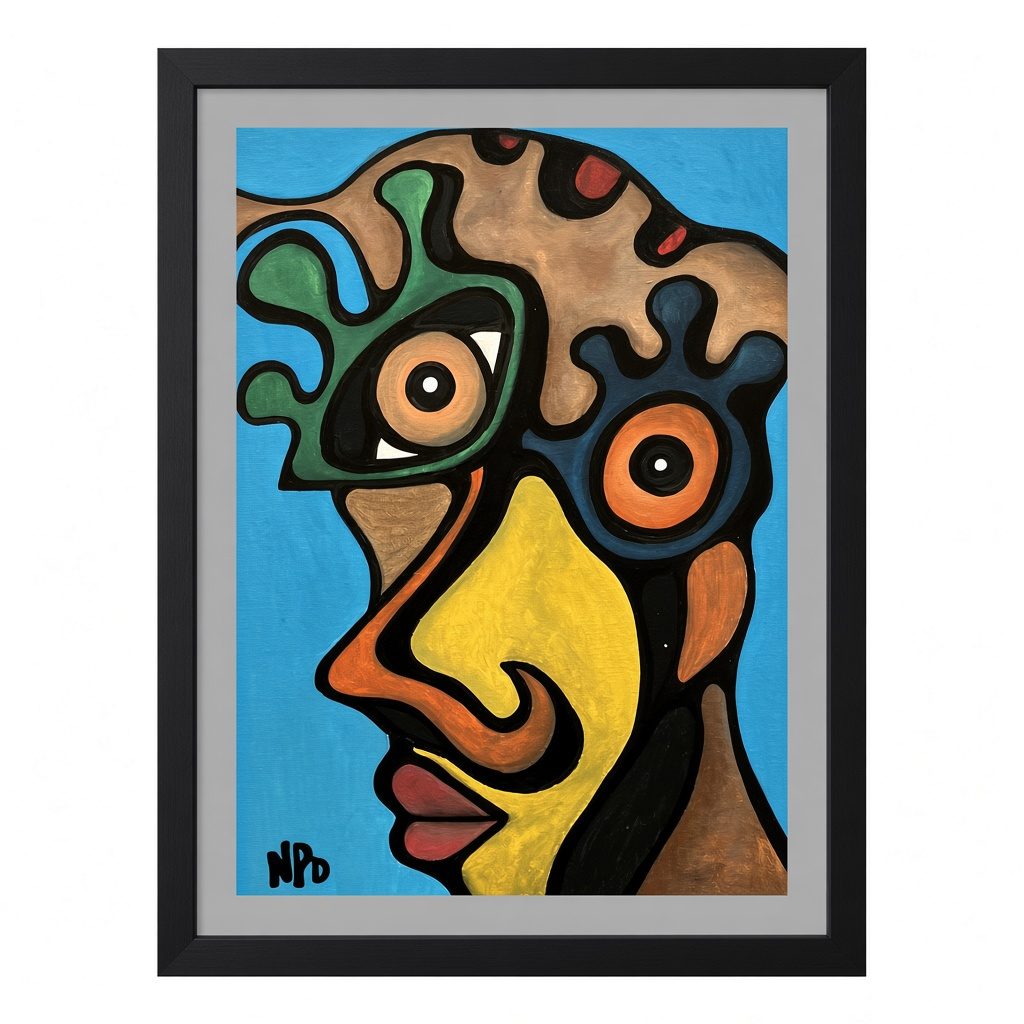
These small pieces are all acrylic paintings on canvas, created during the winter of 2025 when larger works were being painted. (Both sold)
La bruja: the witch
This series of four images resurrects the haunting legacy of the scold’s bridle—a cruel artifact of public discipline once used across Germany and Britain between the 16th and 18th centuries. These iron masks, locked onto the heads of the accused, were designed not to torture the body, but to silence the spirit. They gagged speech, branded shame, and turned the human face into a spectacle of ridicule.
Each piece in this collection confronts the layered violence of this practice:
- The gag: A metal plate forced into the mouth, pressing down on the tongue—sometimes spiked—to punish speech itself.
- The targets: Though men were occasionally bridled for blasphemy, women bore the brunt. Labeled “scolds,” they were condemned for being outspoken, defiant, or simply inconvenient.
- The spectacle: Victims were paraded through towns or chained in public squares, their masked faces inviting mockery from passersby.
- The symbolism: Masks were grotesquely customized—donkey ears for fools, exaggerated tongues for gossips, pig snouts for the “unclean”—each design a visual indictment.
The titles of the works—Ladies and gentlemen: her, Eve; Gerdermen and ladies: him, Adam; The man in the mirror; and La bruja: the witch—echo across time, blending biblical archetypes, pop culture, and folklore. They ask: Who decides what voice is too loud, too strange, too dangerous?
This series does not merely depict history—it interrogates it. It invites viewers to reflect on the masks we still wear, the voices we still silence, and the rituals of shame that persist in subtler form.
Acrylic on canvas, 20 x 16 inches.
Sold
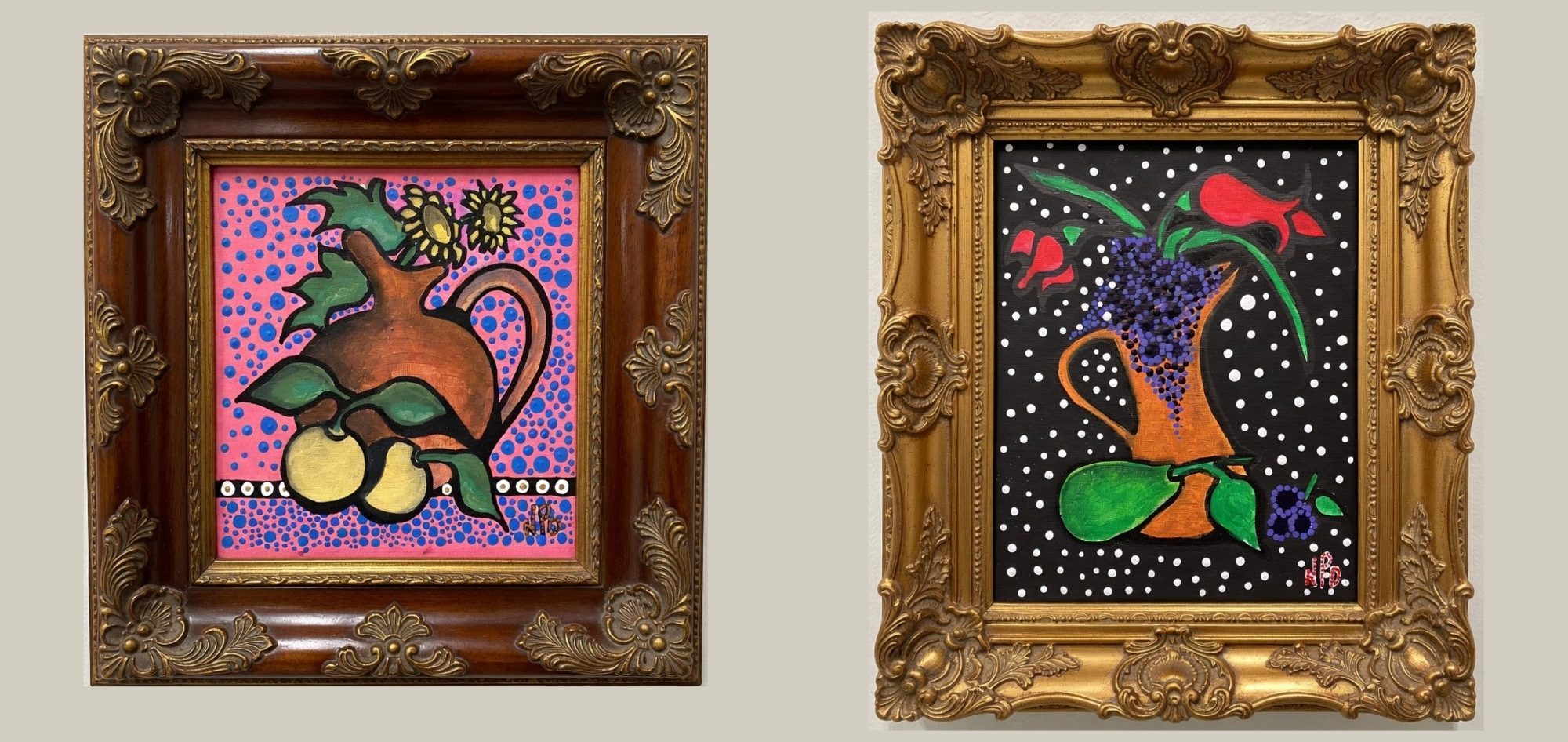
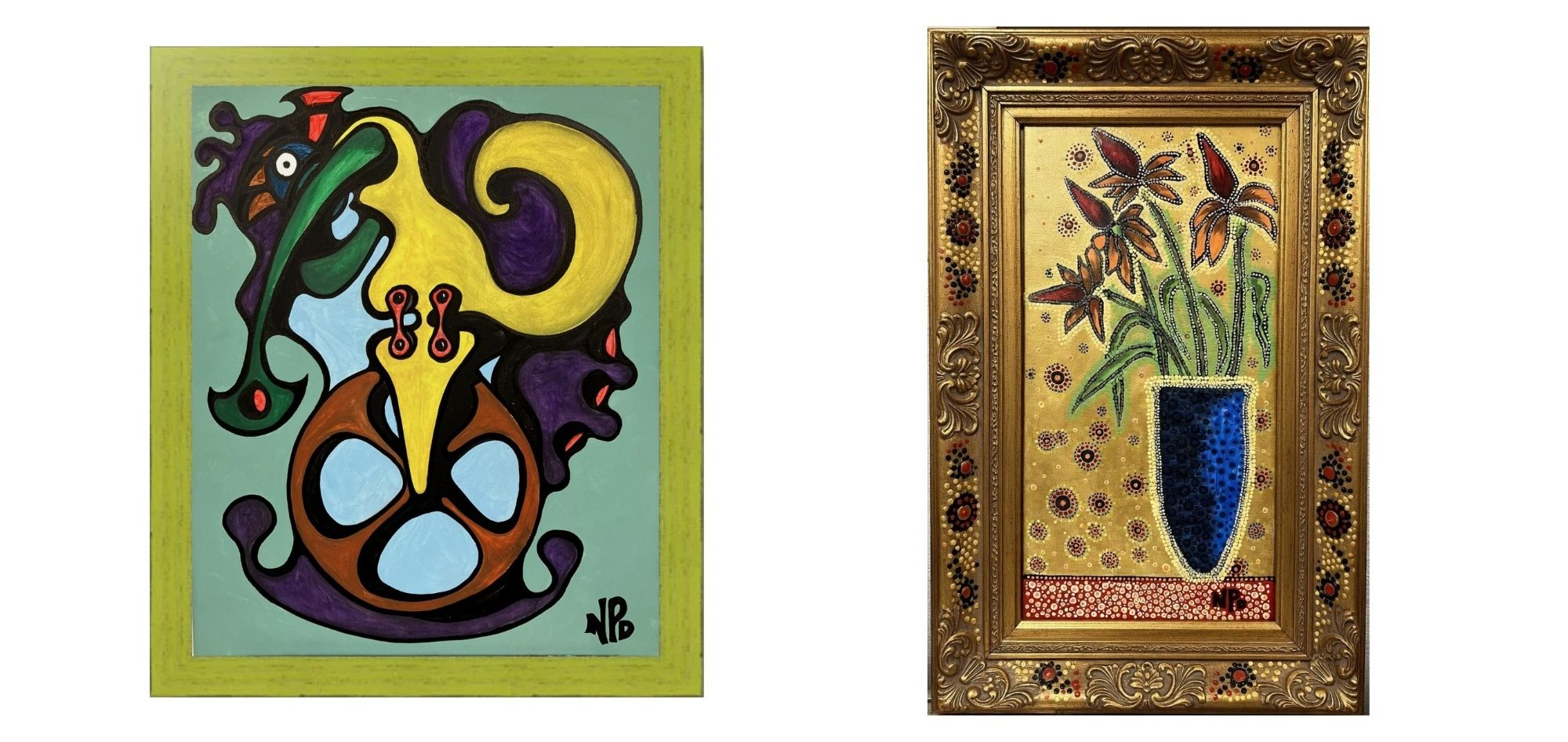
These small pieces are all acrylic paintings on canvas, created during the winter of 2025 when larger works were being painted. (Both sold)
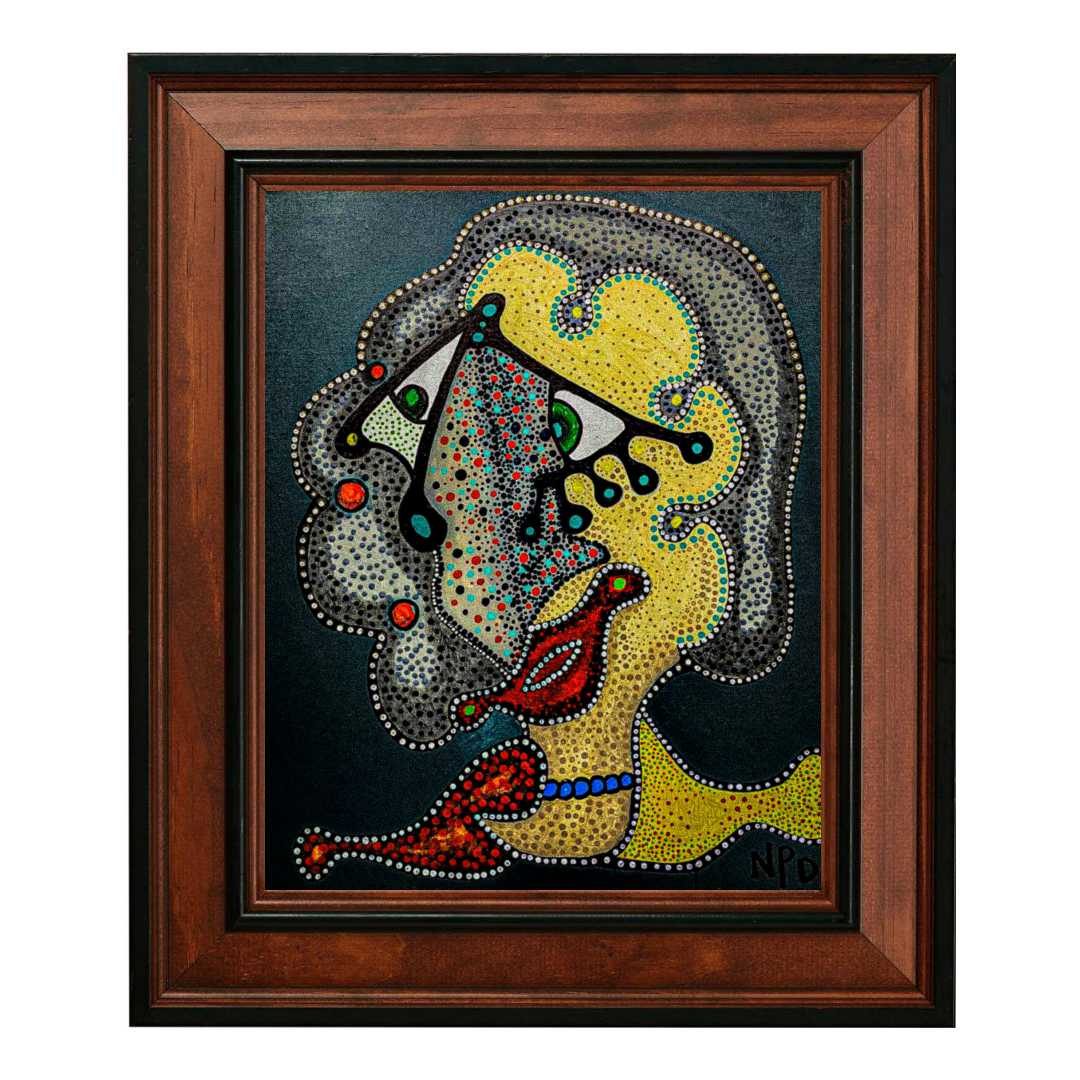
The Necklace
She wears it like truth—gleaming, heavy, and false. This portrait channels Mathilde Loisel’s tragic elegance, her longing etched into every brushstroke. The necklace, dazzling but deceptive, becomes a symbol of illusion: beauty that costs everything, and worth that was never real. Behind her eyes, a decade of silence. In her posture, the weight of a lie mistaken for destiny.
"The Necklace," is a short story by Guy de Maupassant,
tells of a woman who borrows a diamond necklace for a ball, loses it, and spends a decade paying to replace it, only to discover the original was a fake.
Acrylic on canvas, 20 x 16 inches.
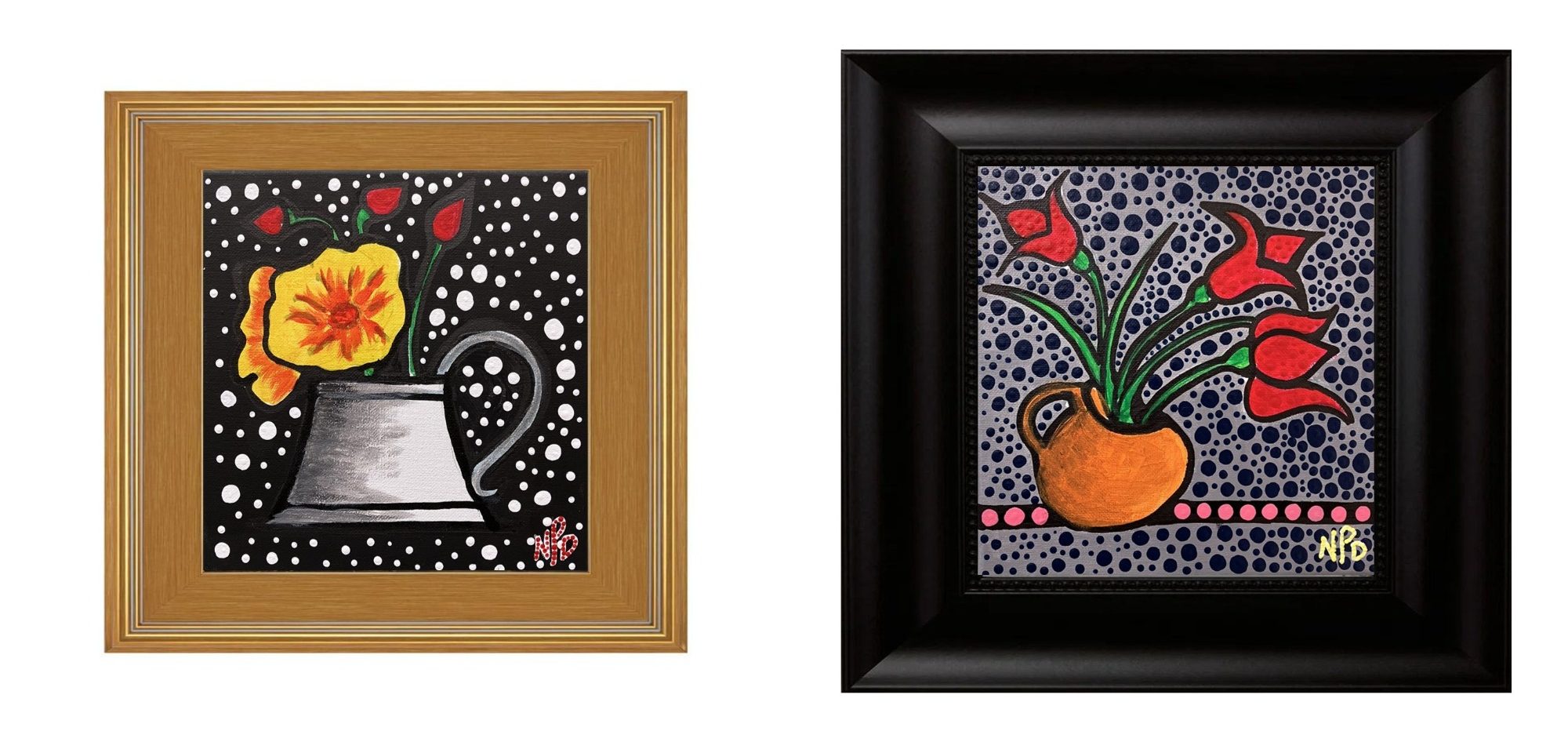
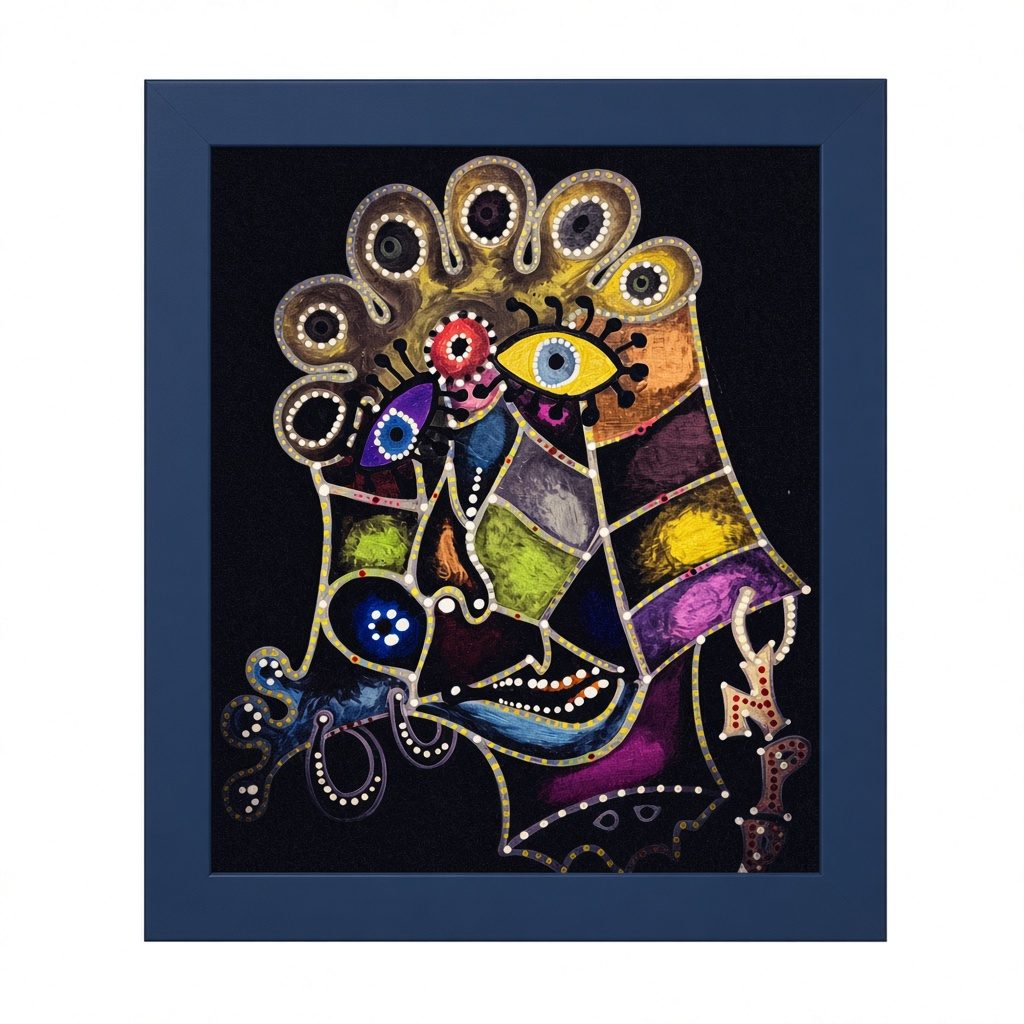
These small pieces are all acrylic paintings on canvas, created during the winter of 2025 when larger works were being painted. (Both sold)
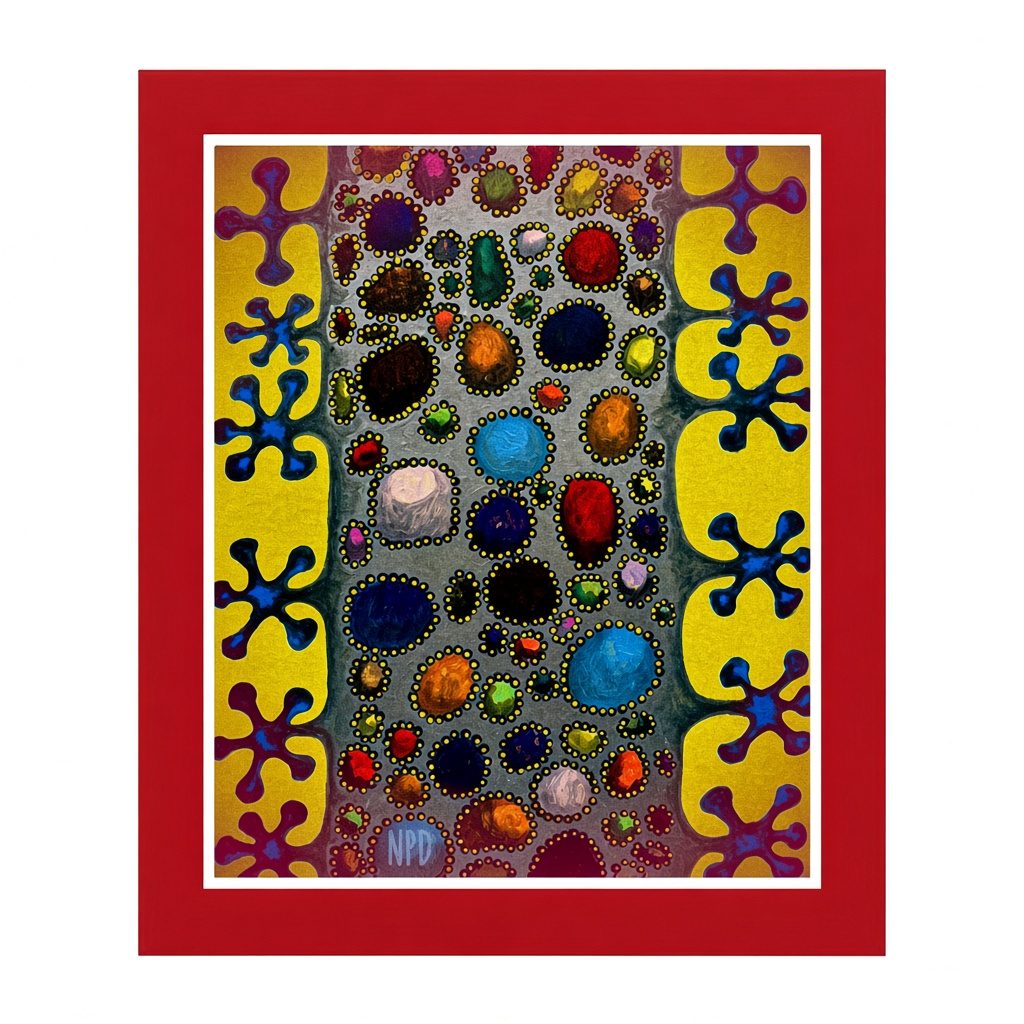
King Log
Stillness is not always peace.
In this abstract meditation on Aesop’s fable The Frogs Who Desired a King, the canvas becomes a pond—placid, expectant, and trembling with unseen tension. Shapes ripple outward like startled water, their forms both organic and ominous. A central mass—heavy, inert, vaguely regal—floats in the midst of it all: King Log, the ruler the frogs begged for, and the silence they received.
The composition resists literalism. Instead, it evokes the emotional architecture of the tale: the yearning for order, the fear of chaos, the irony of getting exactly what one asks for. Muted greens and murky browns dominate, punctuated by sudden, jarring marks—like croaks swallowed mid-air or the echo of a splash that never comes.
This is not a portrait of a king, but of a mistake. A warning. A mirror.
What happens when power is absent? Or worse—when it is present, but indifferent?
Acrylic on canvas, 20 x 16 inches.
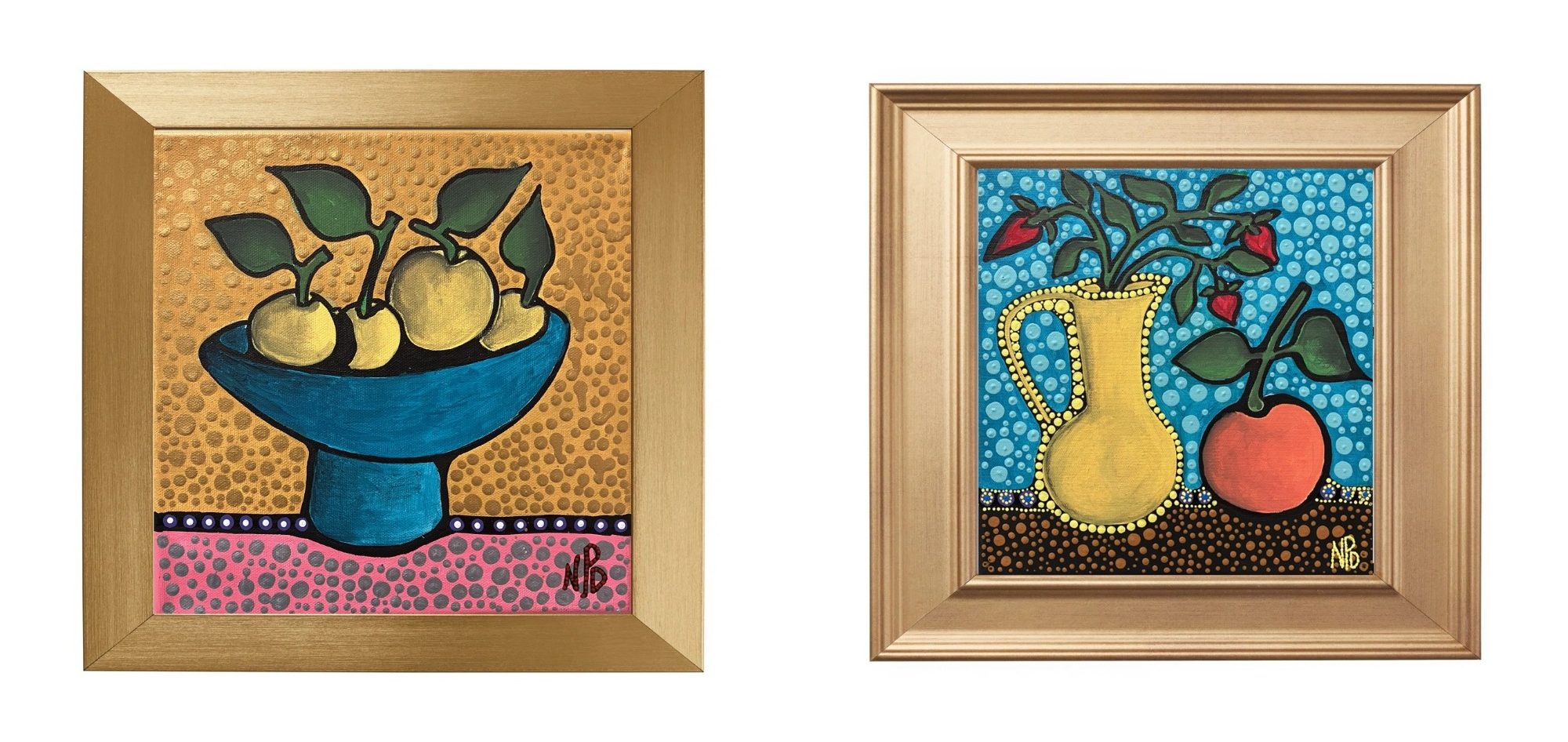
These small pieces are all acrylic paintings on canvas, created during the winter of 2025 when larger works were being painted. (Both sold)
Emotions
A six-part visual exploration of human feeling—each image a visceral echo of the soul’s journey, inspired by Nikolai Gogol’s haunting novel, Dead Souls. Acrylic on canvas, 12 x 16 inches.
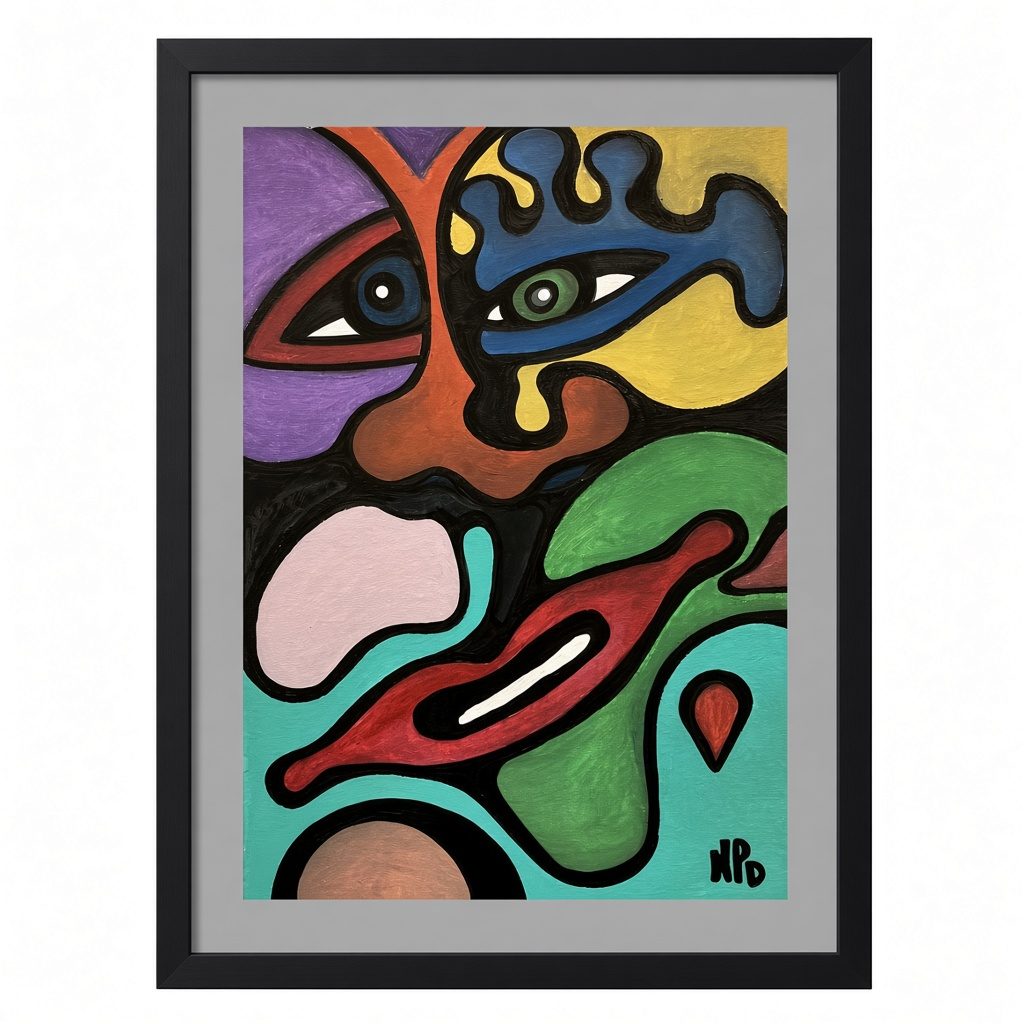
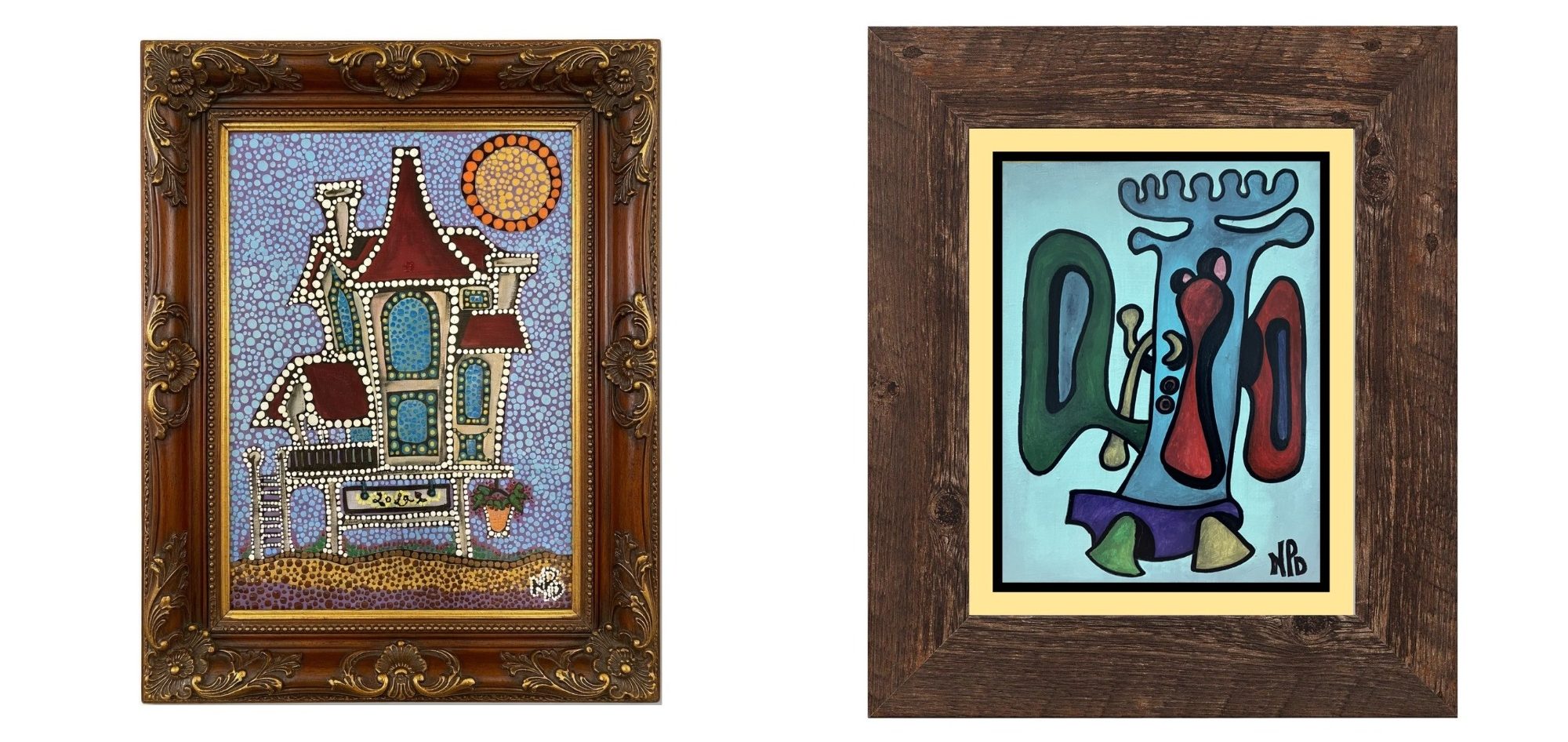
These small pieces are all acrylic paintings on canvas, created during the winter of 2025 when larger works were being painted. (Both sold)
Emotions
A six-part visual exploration of human feeling—each image a visceral echo of the soul’s journey, inspired by Nikolai Gogol’s haunting novel, Dead Souls. Acrylic on canvas, 12 x 16 inches.
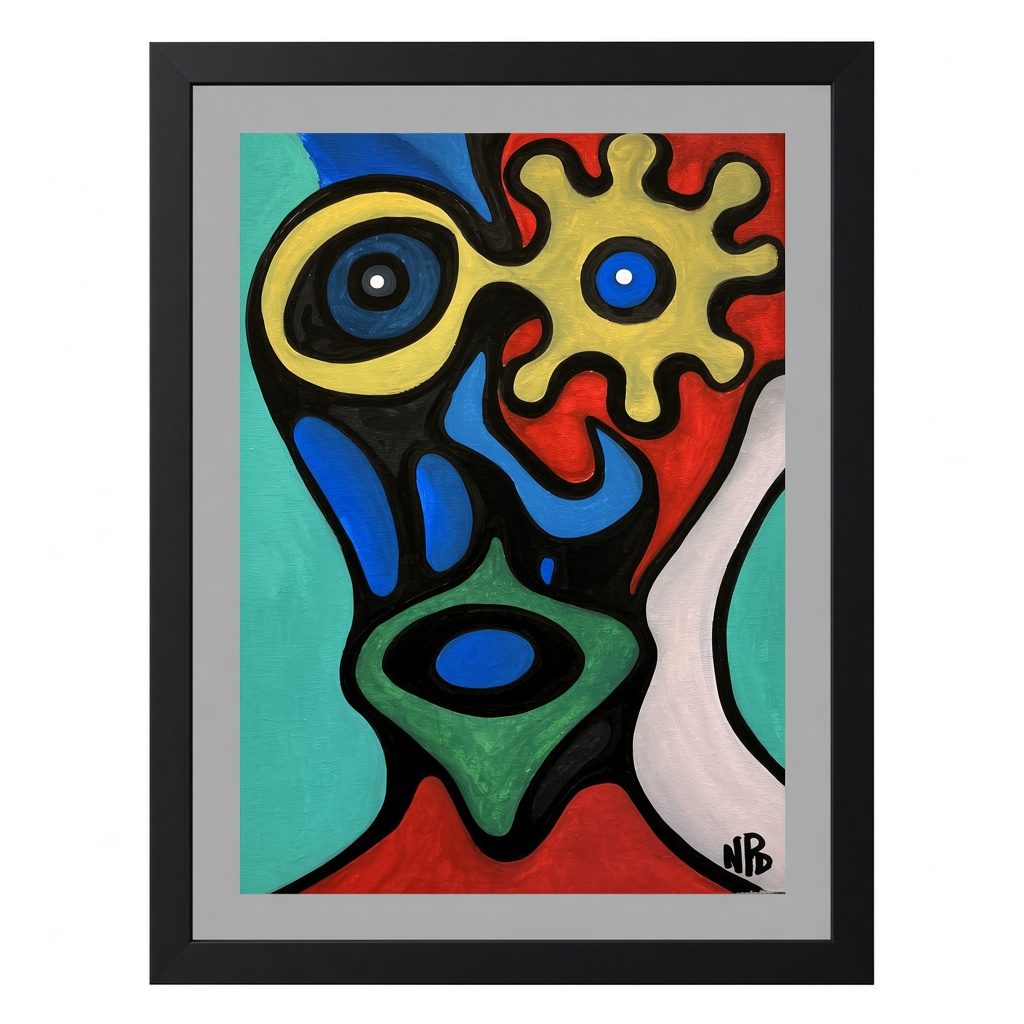

Small Acrylic Paintings on Canvas
These small pieces are all acrylic paintings on canvas, created during the winter of 2025 when larger works were being painted. (8x10 inches) Item #1: Sold
Emotions
A six-part visual exploration of human feeling—each image a visceral echo of the soul’s journey, inspired by Nikolai Gogol’s haunting novel, Dead Souls. Acrylic on canvas, 12 x 16 inches.
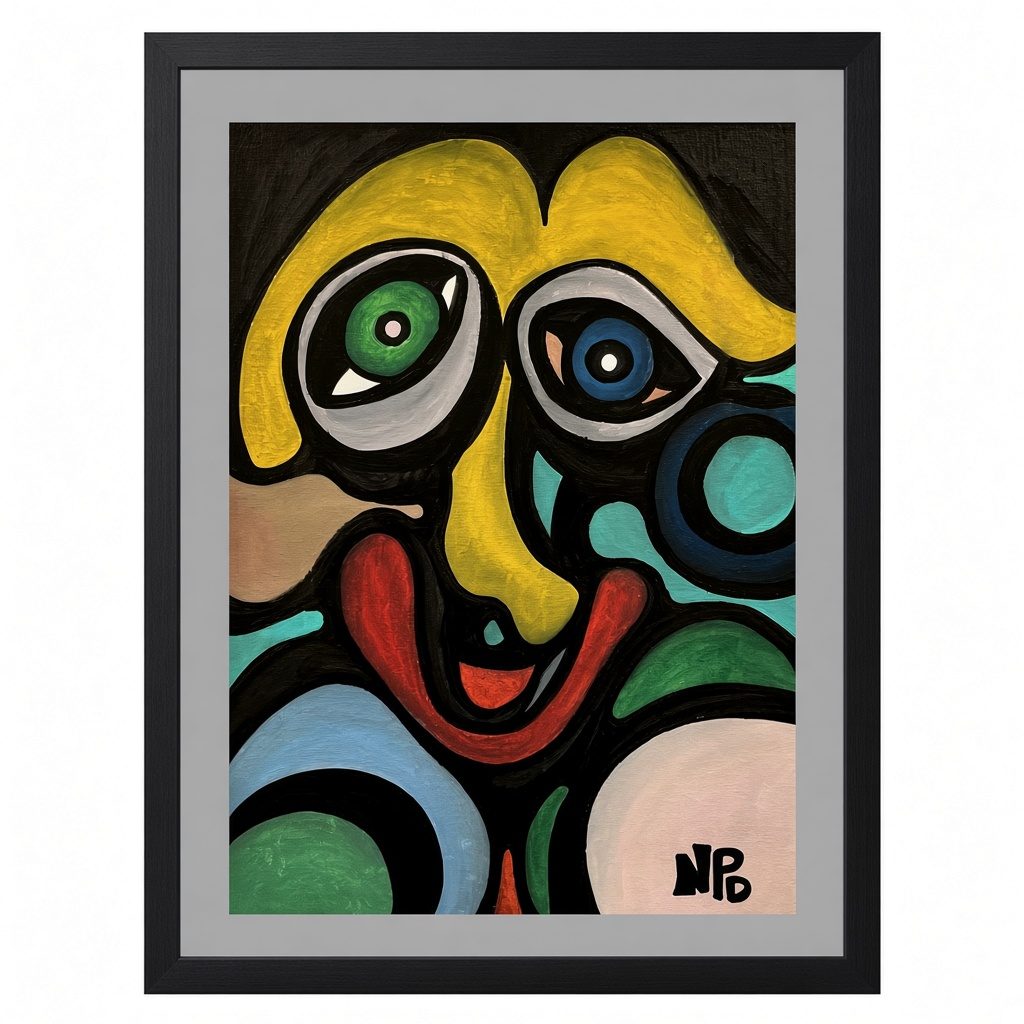

These small pieces are all acrylic paintings on canvas, created during the winter of 2025 when larger works were being painted. (8x10 inches)
Emotions
A six-part visual exploration of human feeling—each image a visceral echo of the soul’s journey, inspired by Nikolai Gogol’s haunting novel, Dead Souls. Acrylic on canvas, 12 x 16 inches.
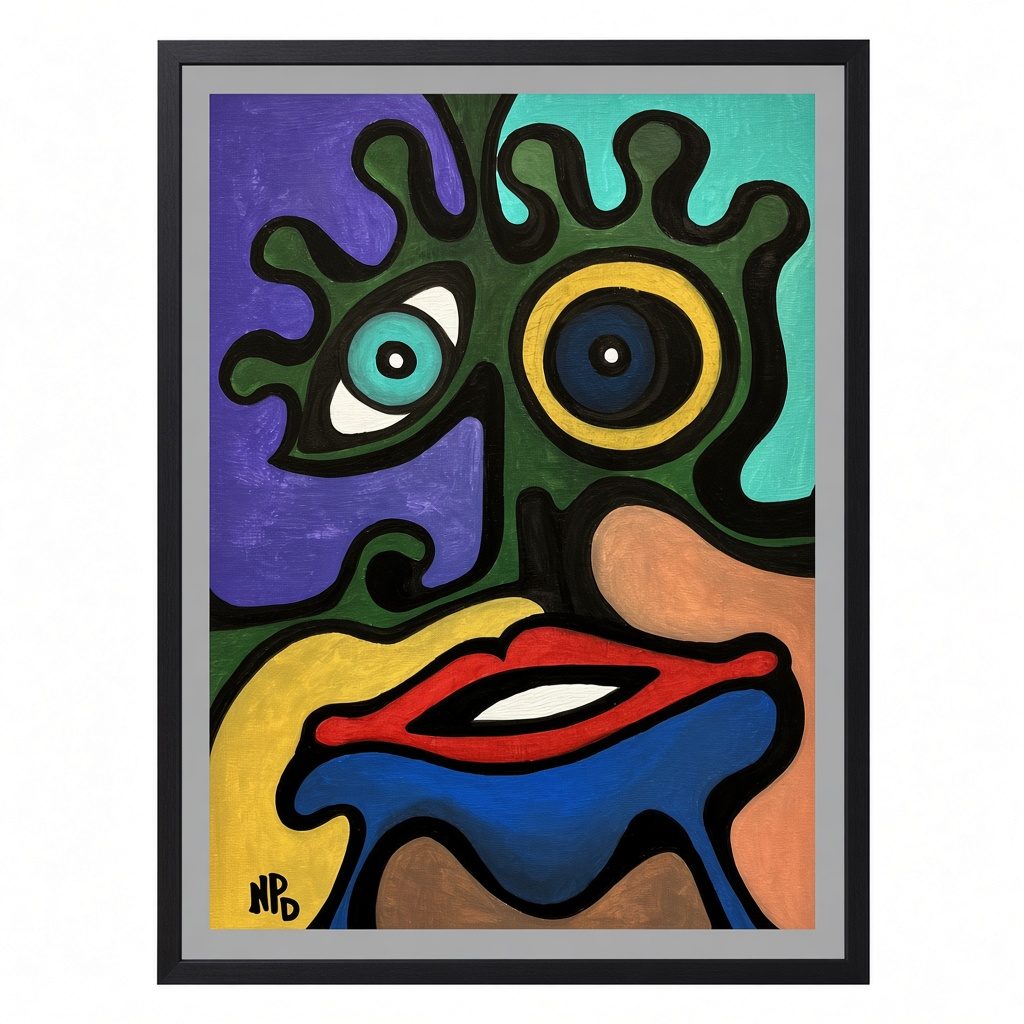

These small pieces are all acrylic paintings on canvas, created during the winter of 2025 when larger works were being painted. (8x10 inches)
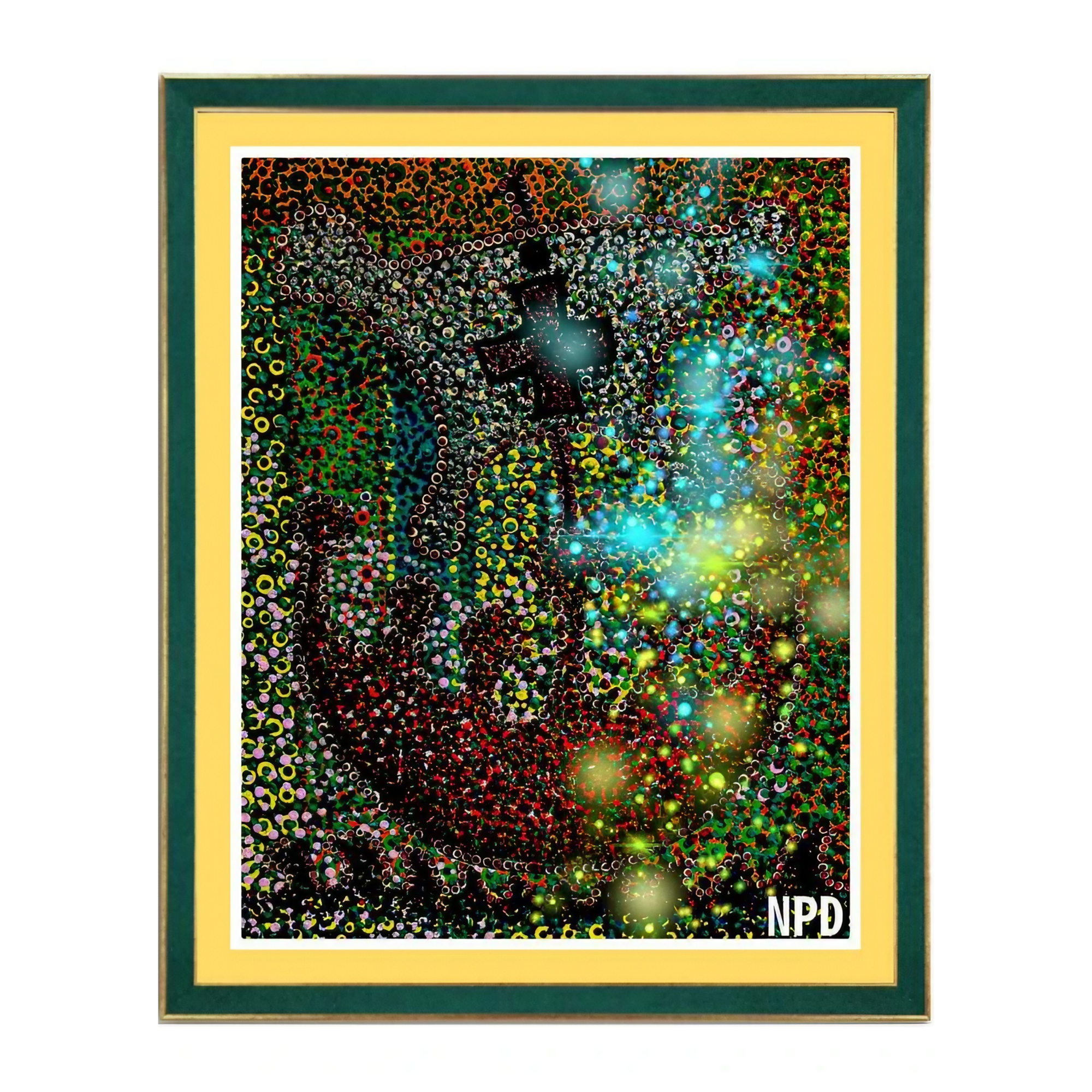

These small pieces are all acrylic paintings on canvas, created during the winter of 2025 when larger works were being painted. (8x10 inches)
Emotions
A six-part visual exploration of human feeling—each image a visceral echo of the soul’s journey, inspired by Nikolai Gogol’s haunting novel, Dead Souls. Acrylic on canvas, 12 x 16 inches.
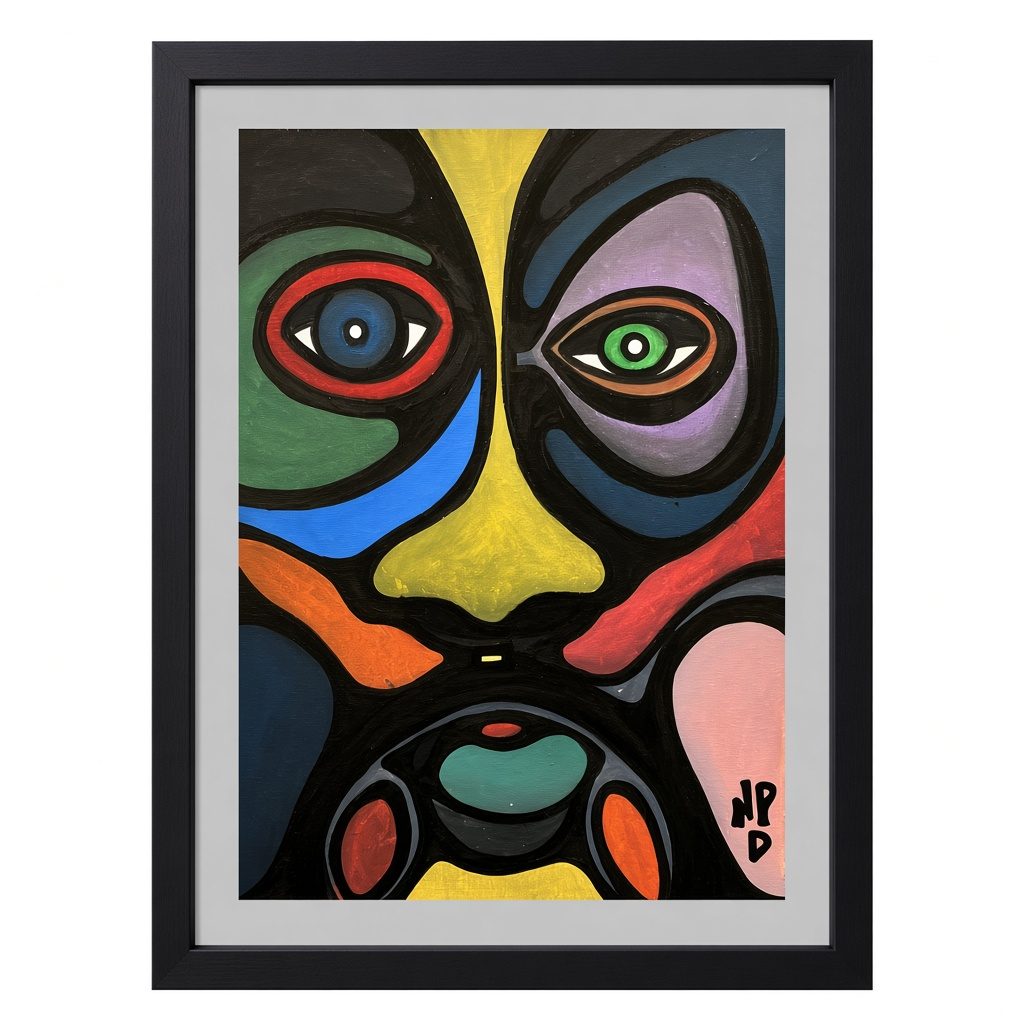

These small pieces are all acrylic paintings on canvas, created during the winter of 2025 when larger works were being painted. 13 (12x9 inches) 14, 15 (8x10 inches)
The man in the mirror.
(Michael Jackson song)
This series of four images resurrects the haunting legacy of the scold’s bridle—a cruel artifact of public discipline once used across Germany and Britain between the 16th and 18th centuries. These iron masks, locked onto the heads of the accused, were designed not to torture the body, but to silence the spirit. They gagged speech, branded shame, and turned the human face into a spectacle of ridicule.
Each piece in this collection confronts the layered violence of this practice:
- The gag: A metal plate forced into the mouth, pressing down on the tongue—sometimes spiked—to punish speech itself.
- The targets: Though men were occasionally bridled for blasphemy, women bore the brunt. Labeled “scolds,” they were condemned for being outspoken, defiant, or simply inconvenient.
- The spectacle: Victims were paraded through towns or chained in public squares, their masked faces inviting mockery from passersby.
- The symbolism: Masks were grotesquely customized—donkey ears for fools, exaggerated tongues for gossips, pig snouts for the “unclean”—each design a visual indictment.
The titles of the works—Ladies and gentlemen: her, Eve; Gerdermen and ladies: him, Adam; The man in the mirror; and La bruja: the witch—echo across time, blending biblical archetypes, pop culture, and folklore. They ask: Who decides what voice is too loud, too strange, too dangerous?
This series does not merely depict history—it interrogates it. It invites viewers to reflect on the masks we still wear, the voices we still silence, and the rituals of shame that persist in subtler forms.
Acrylic on canvas, 20 x 16 inches.
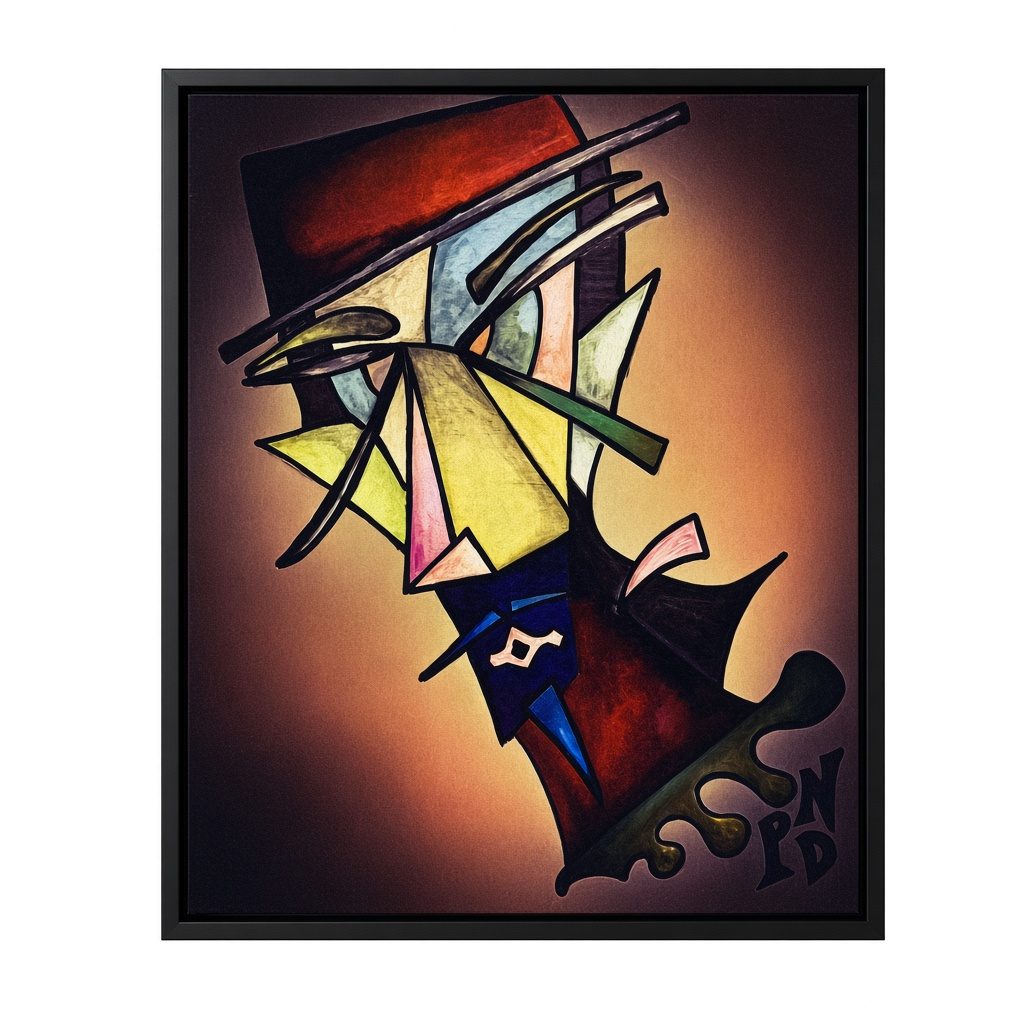

These small pieces are all acrylic paintings on canvas, created during the winter of 2025 when larger works were being painted. (12x9 inches)
Gentlemen and ladies: Him.
This series of four images resurrects the haunting legacy of the scold’s bridle—a cruel artifact of public discipline once used across Germany and Britain between the 16th and 18th centuries. These iron masks, locked onto the heads of the accused, were designed not to torture the body, but to silence the spirit. They gagged speech, branded shame, and turned the human face into a spectacle of ridicule.
Each piece in this collection confronts the layered violence of this practice:
- The gag: A metal plate forced into the mouth, pressing down on the tongue—sometimes spiked—to punish speech itself.
- The targets: Though men were occasionally bridled for blasphemy, women bore the brunt. Labeled “scolds,” they were condemned for being outspoken, defiant, or simply inconvenient.
- The spectacle: Victims were paraded through towns or chained in public squares, their masked faces inviting mockery from passersby.
- The symbolism: Masks were grotesquely customized—donkey ears for fools, exaggerated tongues for gossips, pig snouts for the “unclean”—each design a visual indictment.
The titles of the works—Ladies and gentlemen: her, Eve; Gerdermen and ladies: him, Adam; The man in the mirror; and La bruja: the witch—echo across time, blending biblical archetypes, pop culture, and folklore. They ask: Who decides what voice is too loud, too strange, too dangerous?
This series does not merely depict history—it interrogates it. It invites viewers to reflect on the masks we still wear, the voices we still silence, and the rituals of shame that persist in subtler forms.
Acrylic on canvas, 20 x 16 inches.
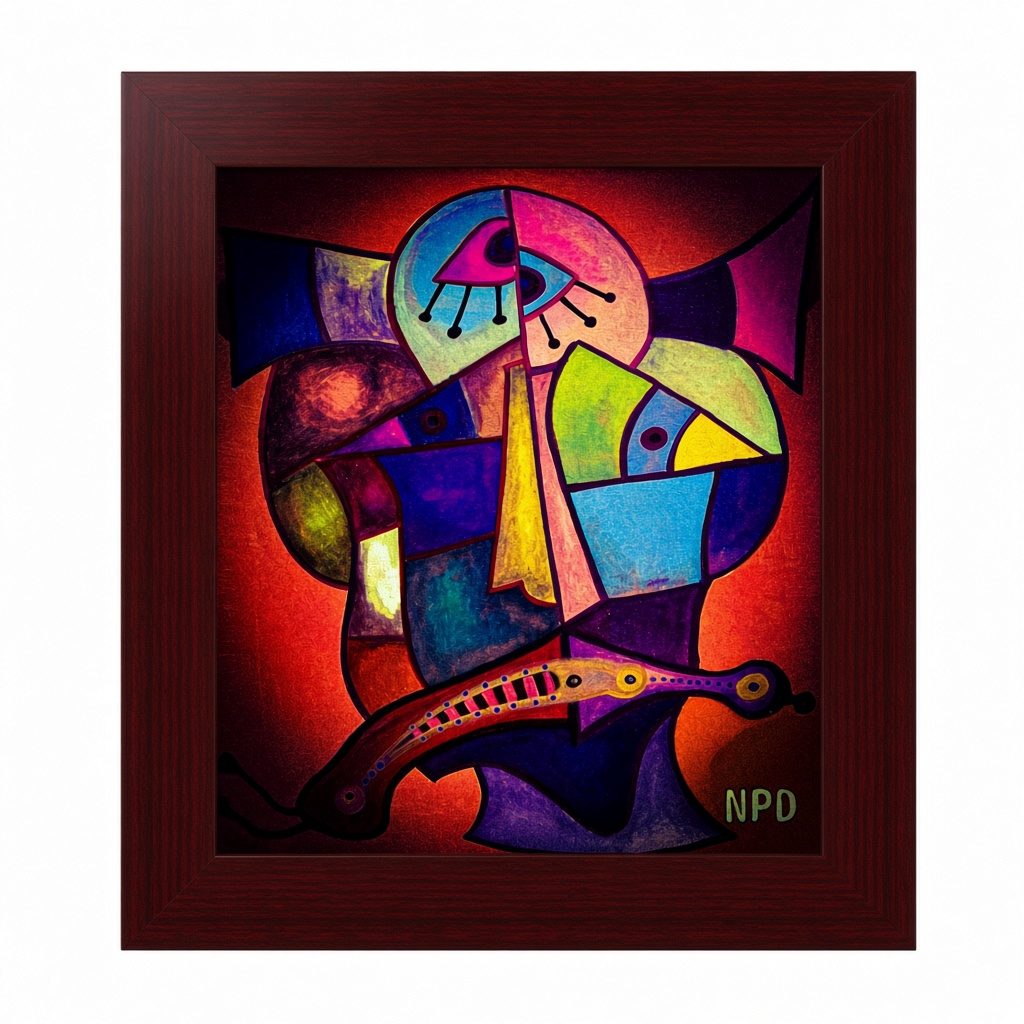

These small pieces are all acrylic paintings on canvas, created during the winter of 2025 when larger works were being painted. (12x9 inches)
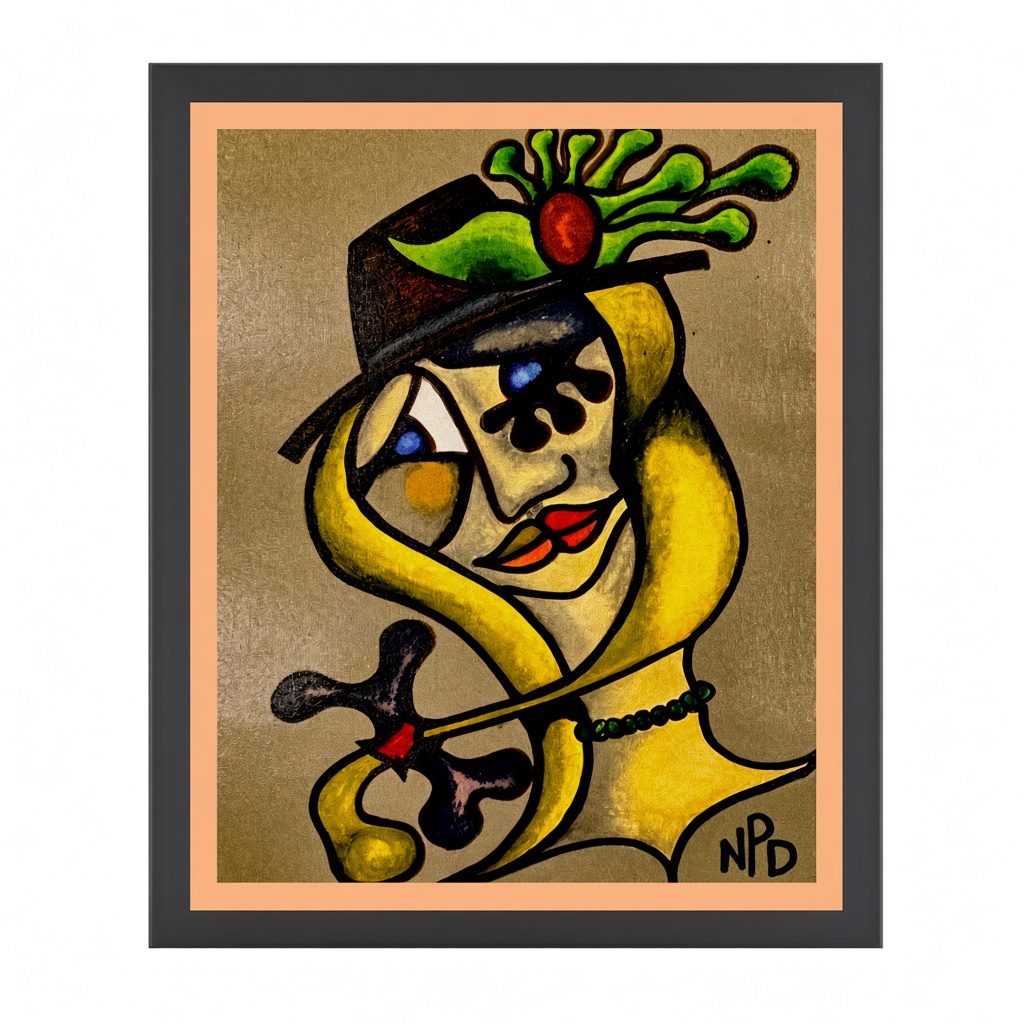

These small pieces are all acrylic paintings on canvas, created during the winter of 2025 when larger works were being painted. 23 (8x10 inches) 22, 24 (12x9 inches)
Ladies and gentlemen: her.
This series of four images resurrects the haunting legacy of the scold’s bridle—a cruel artifact of public discipline once used across Germany and Britain between the 16th and 18th centuries. These iron masks, locked onto the heads of the accused, were designed not to torture the body, but to silence the spirit. They gagged speech, branded shame, and turned the human face into a spectacle of ridicule.
Each piece in this collection confronts the layered violence of this practice:
- The gag: A metal plate forced into the mouth, pressing down on the tongue—sometimes spiked—to punish speech itself.
- The targets: Though men were occasionally bridled for blasphemy, women bore the brunt. Labeled “scolds,” they were condemned for being outspoken, defiant, or simply inconvenient.
- The spectacle: Victims were paraded through towns or chained in public squares, their masked faces inviting mockery from passersby.
- The symbolism: Masks were grotesquely customized—donkey ears for fools, exaggerated tongues for gossips, pig snouts for the “unclean”—each design a visual indictment.
The titles of the works—Ladies and gentlemen: her, Eve; Gerdermen and ladies: him, Adam; The man in the mirror; and La bruja: the witch—echo across time, blending biblical archetypes, pop culture, and folklore. They ask: Who decides what voice is too loud, too strange, too dangerous?
This series does not merely depict history—it interrogates it. It invites viewers to reflect on the masks we still wear, the voices we still silence, and the rituals of shame that persist in subtler forms.
Acrylic on canvas, 20 x 16 inches.
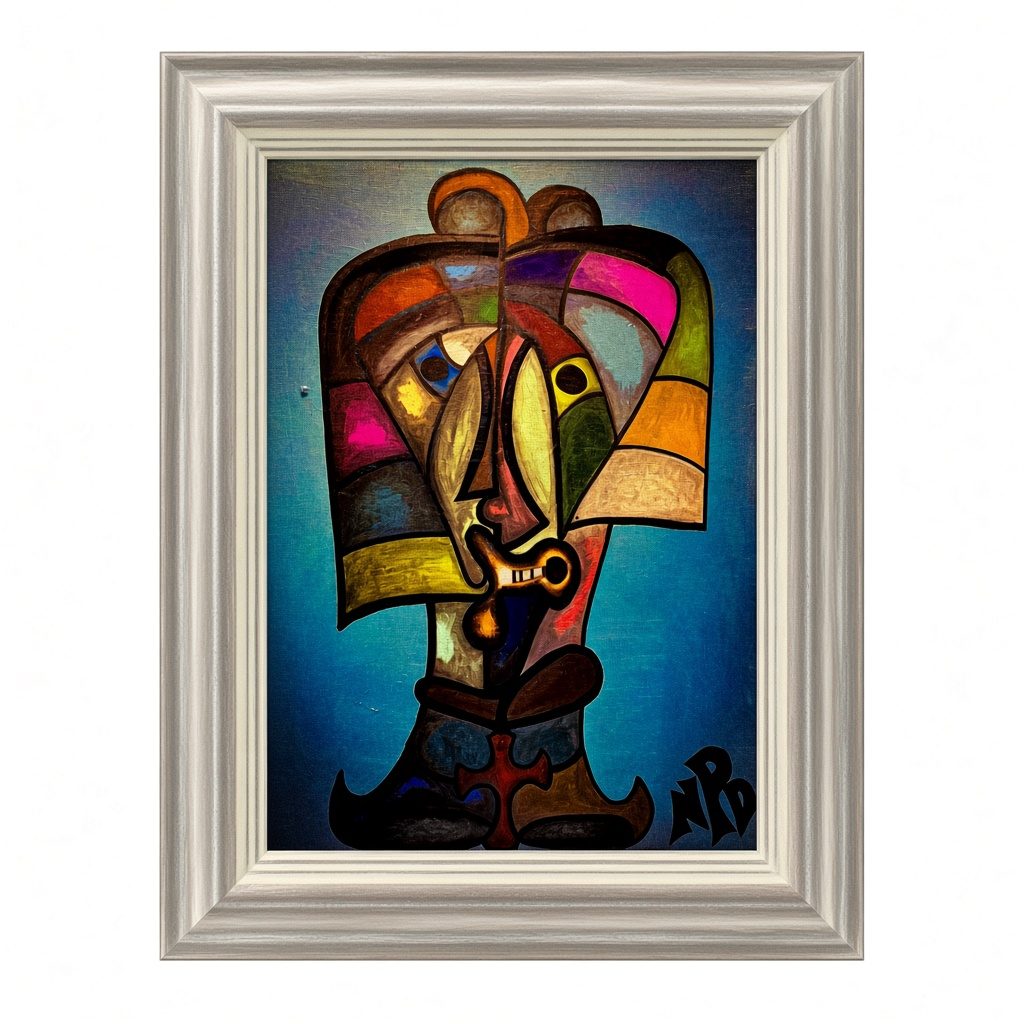

These small pieces are all acrylic paintings on canvas, created during the winter of 2025 when larger works were being painted. 25, 27 (8x10 inches) 26 (12x9 inches)
Eutrope d'Orange
Eutrope d’Orange is the illustrative universe of Noel Perez Delgado.
While my fine art stays in the studio, these illustrations live here. Shop over 400 original designs on posters, stickers, postcards, and more via Redbubble. All items are made to order with worldwide shipping.
https://www.redbubble.com/people/EutropedOrange/shop
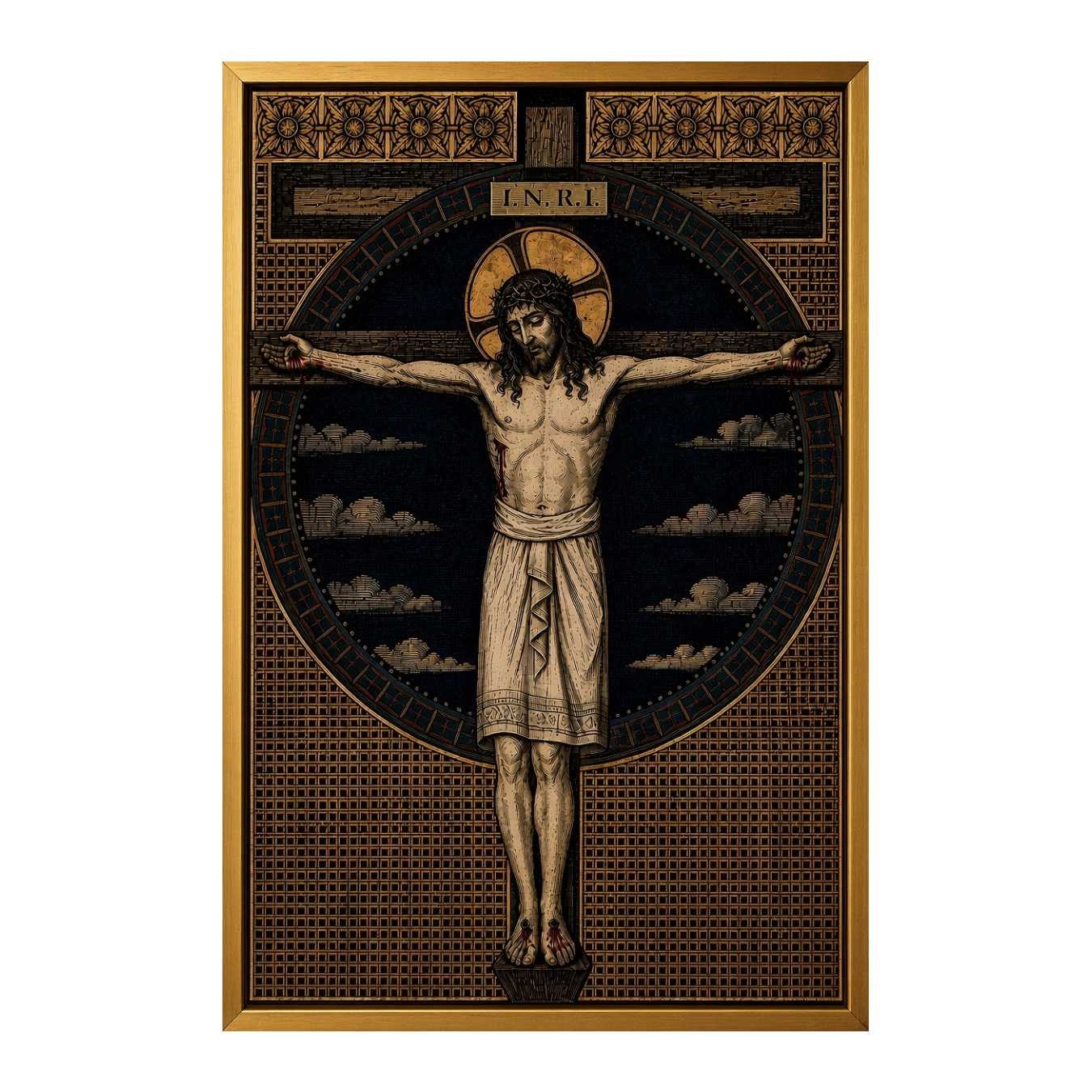
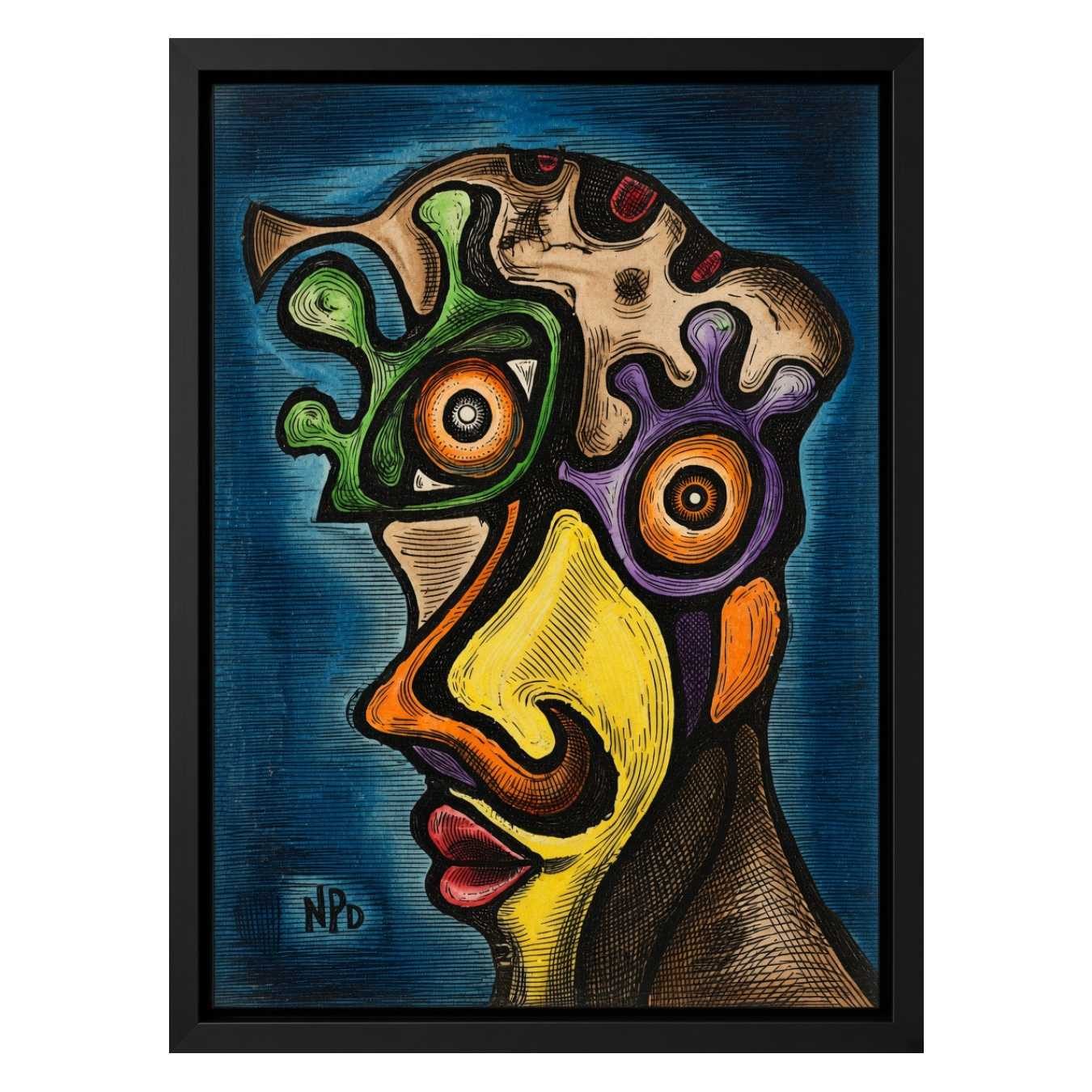
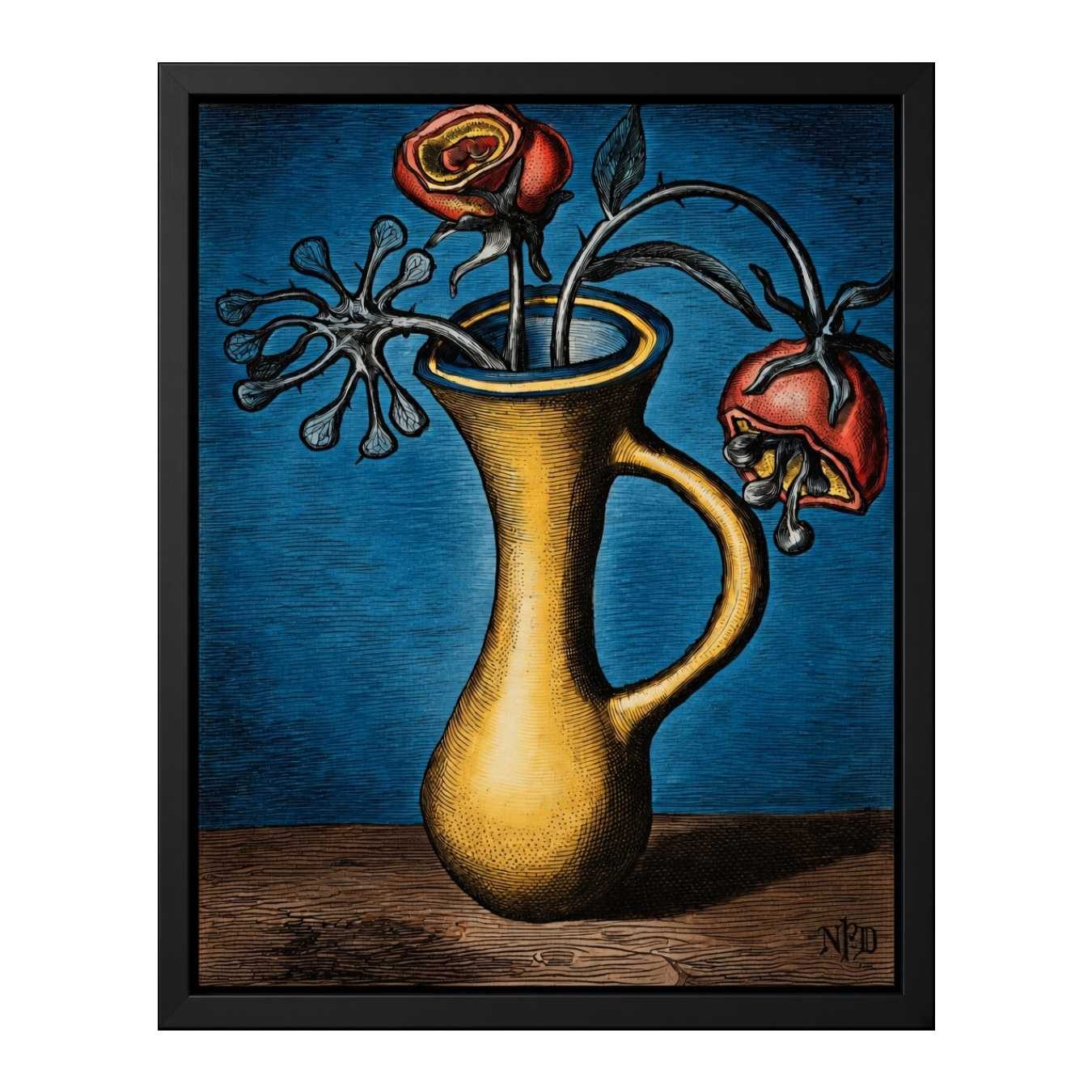
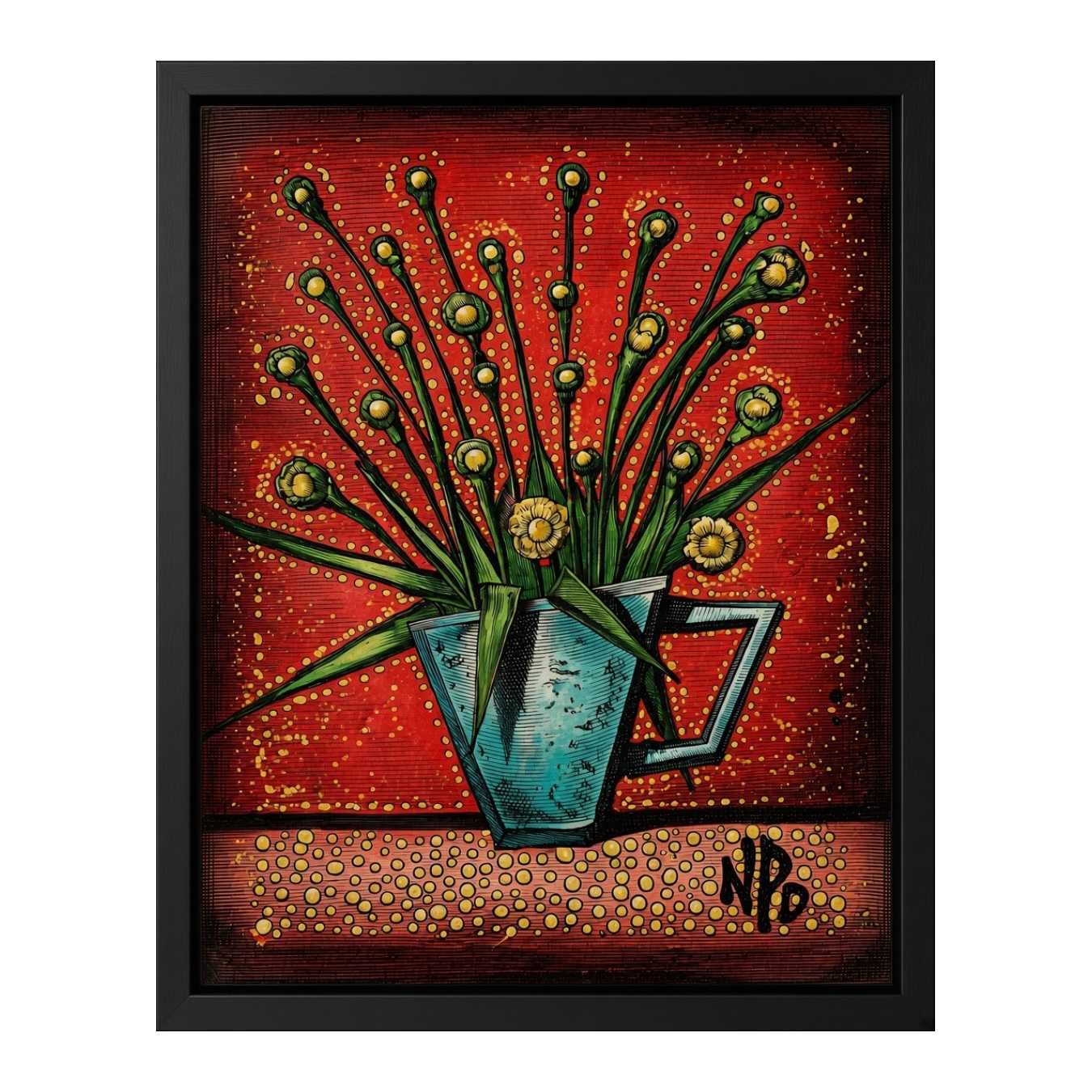
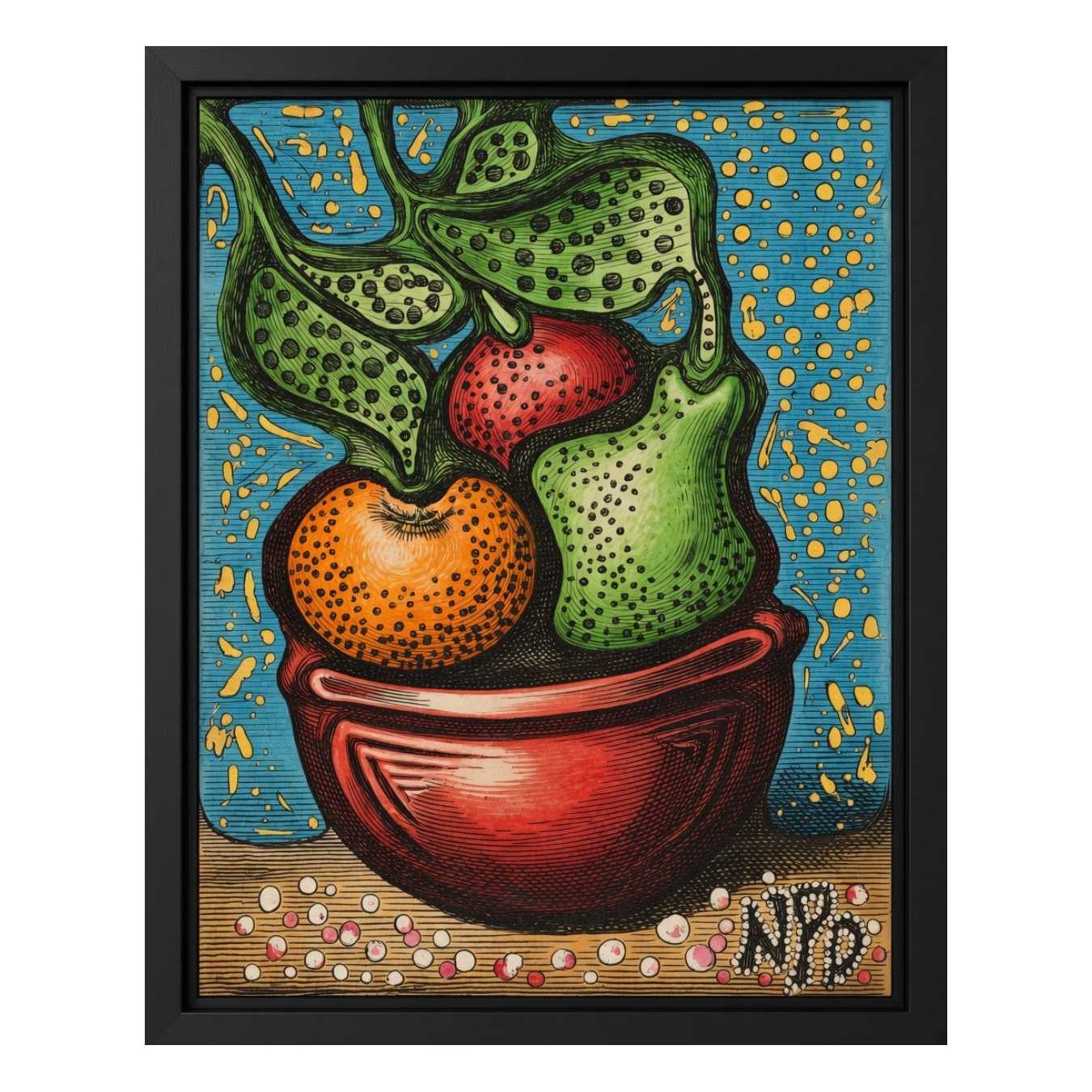
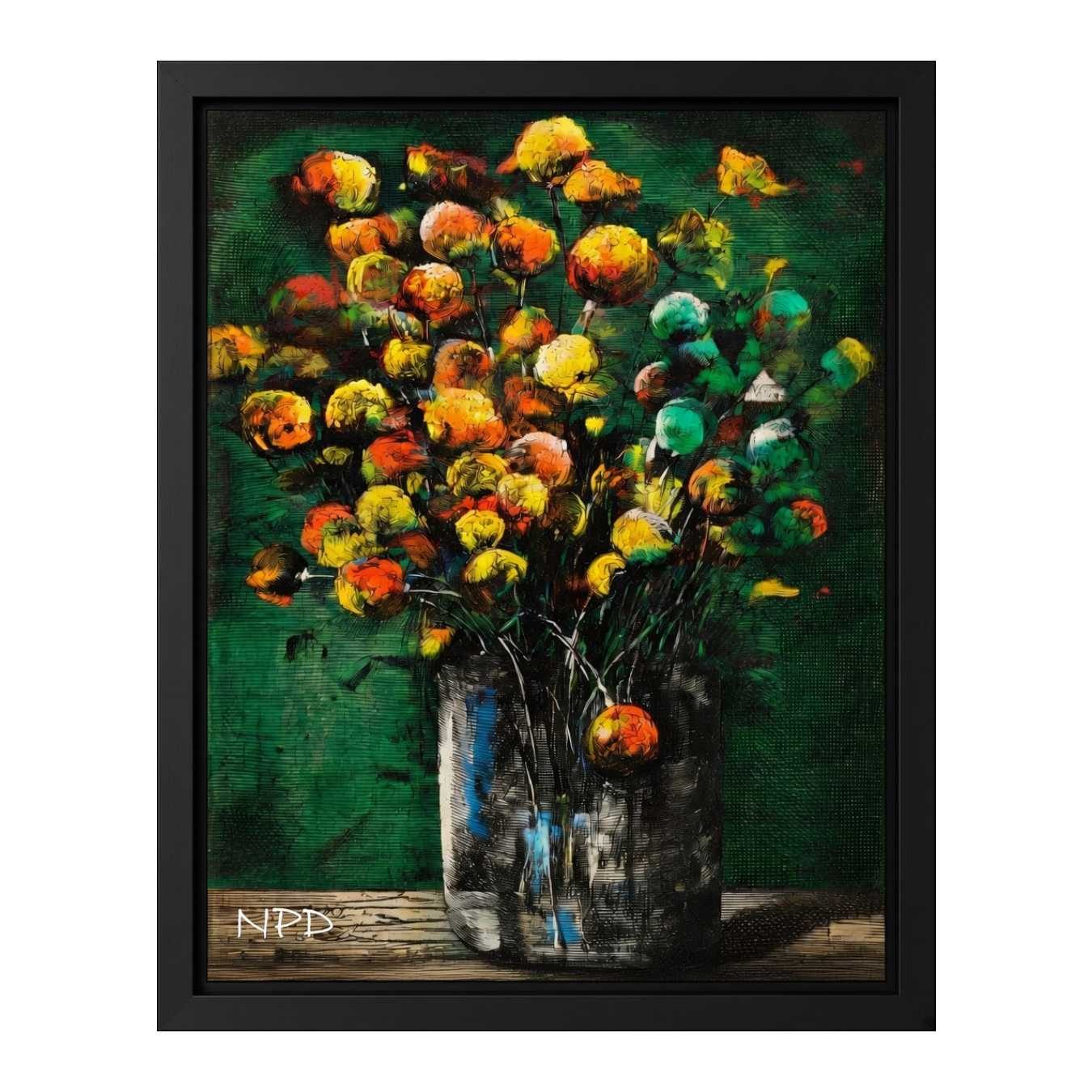
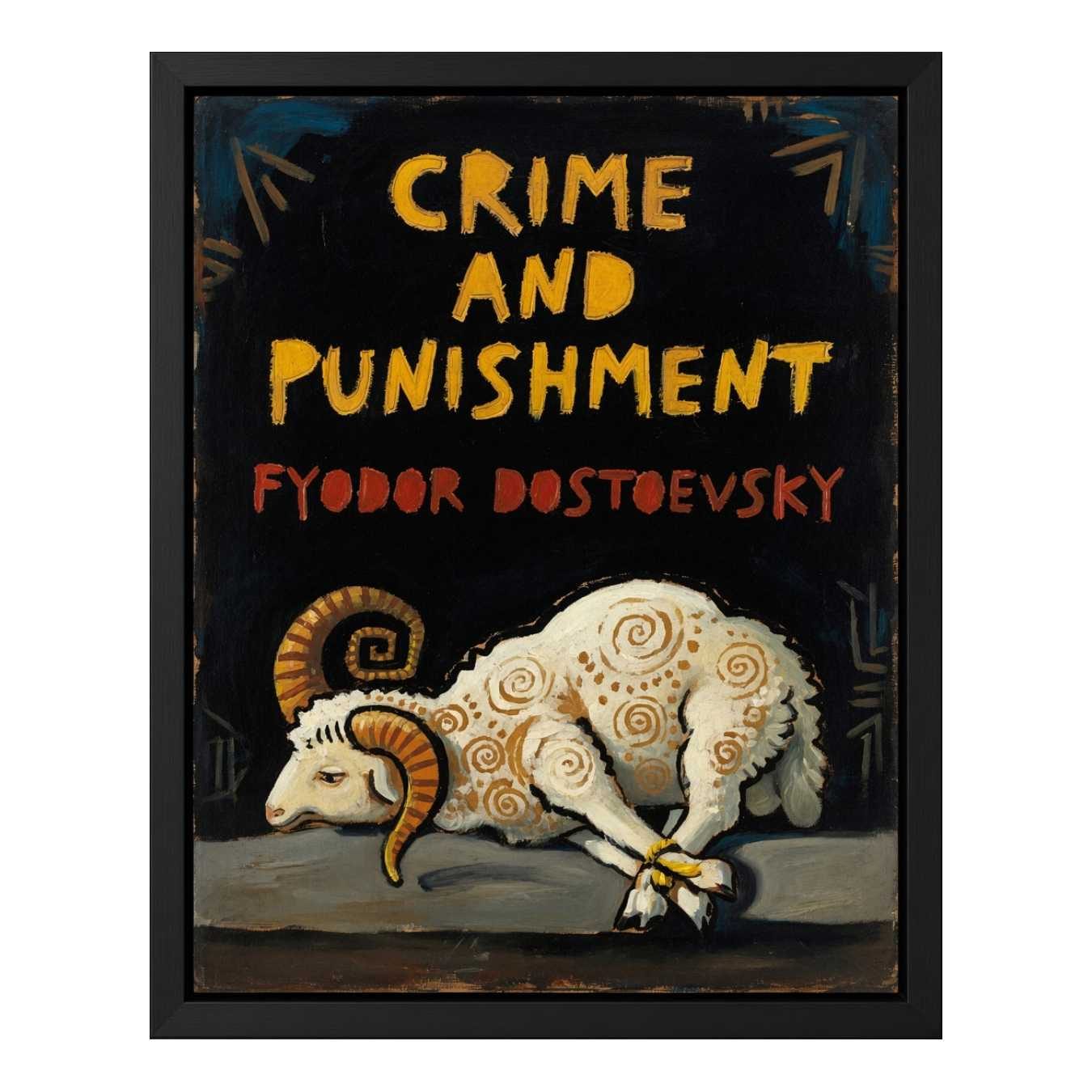
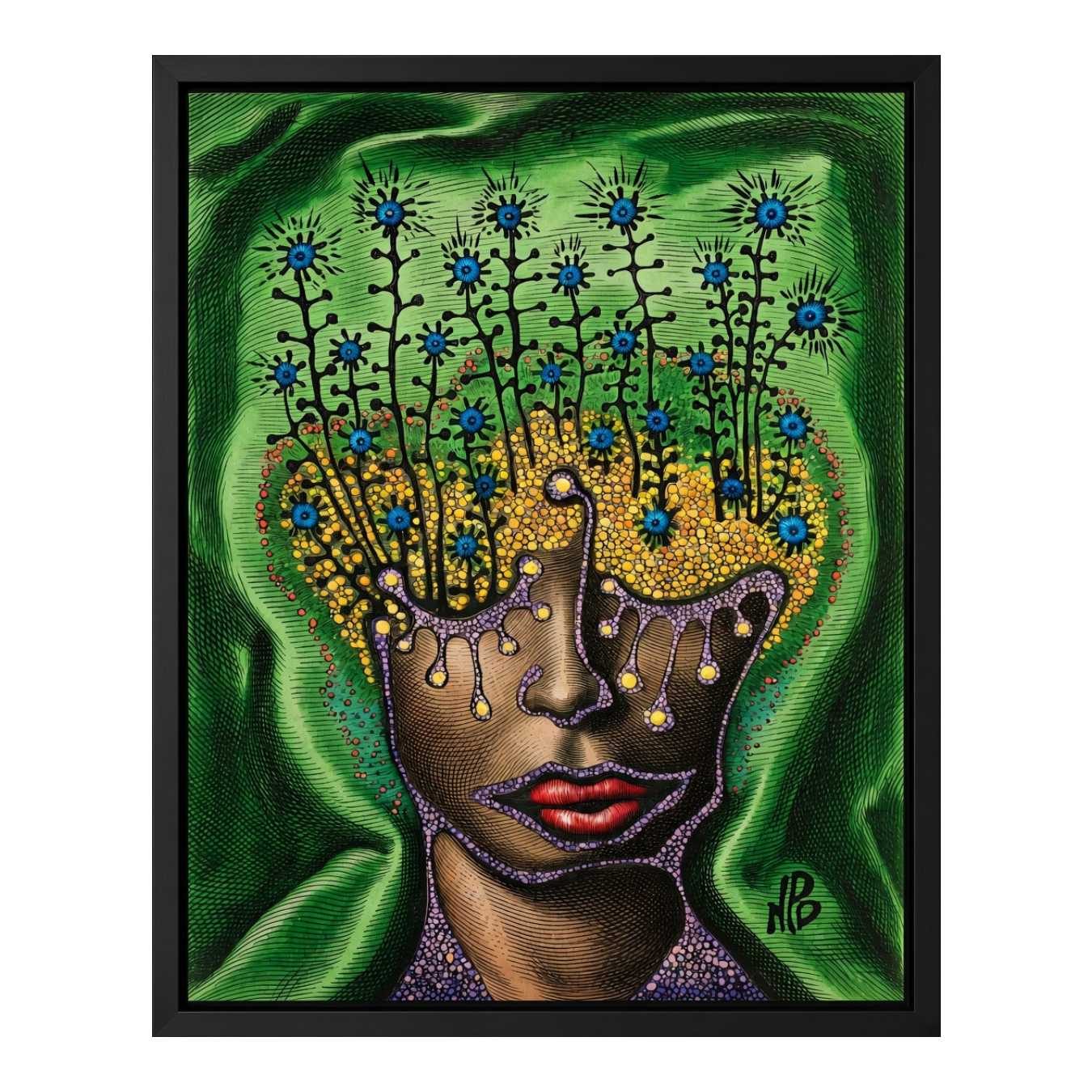
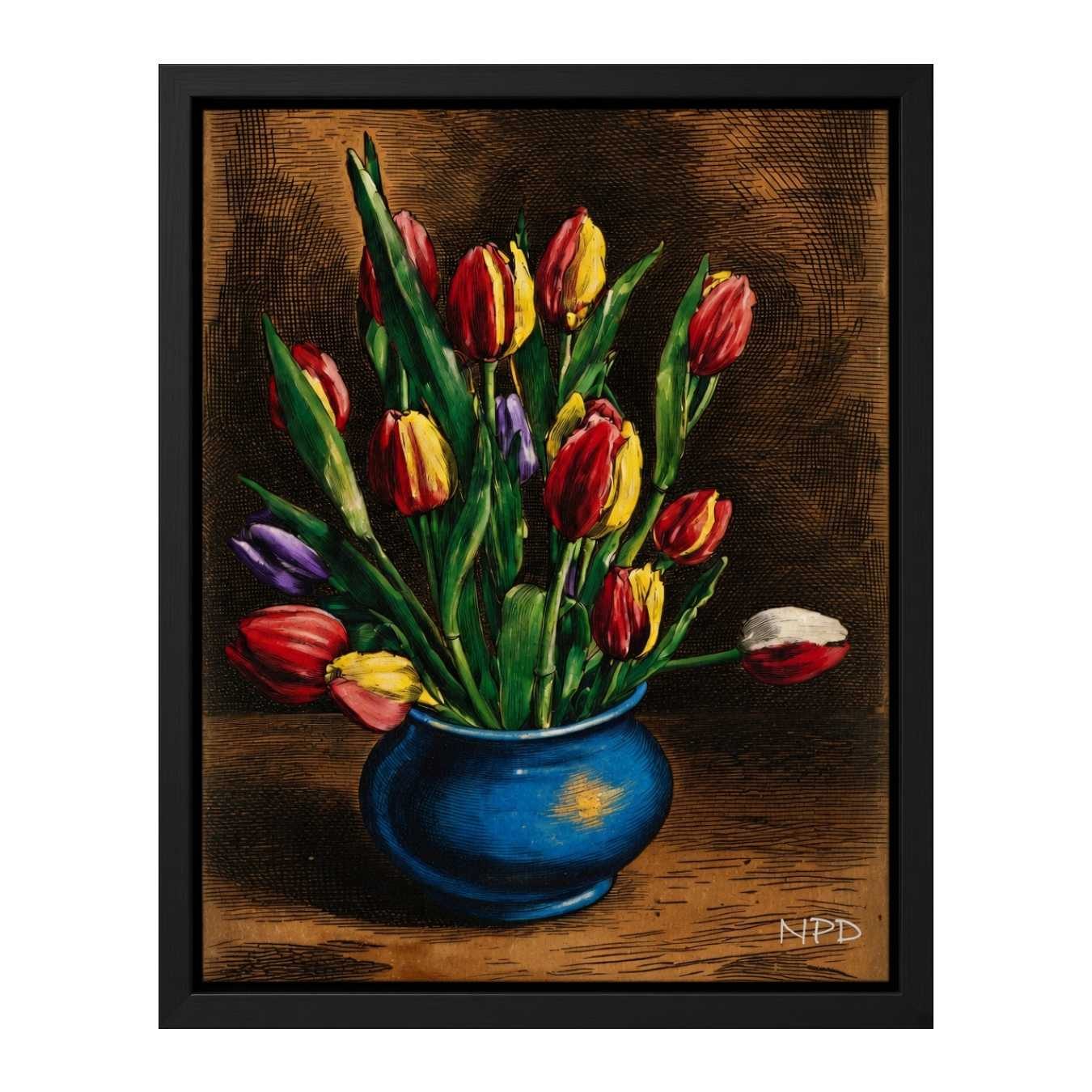
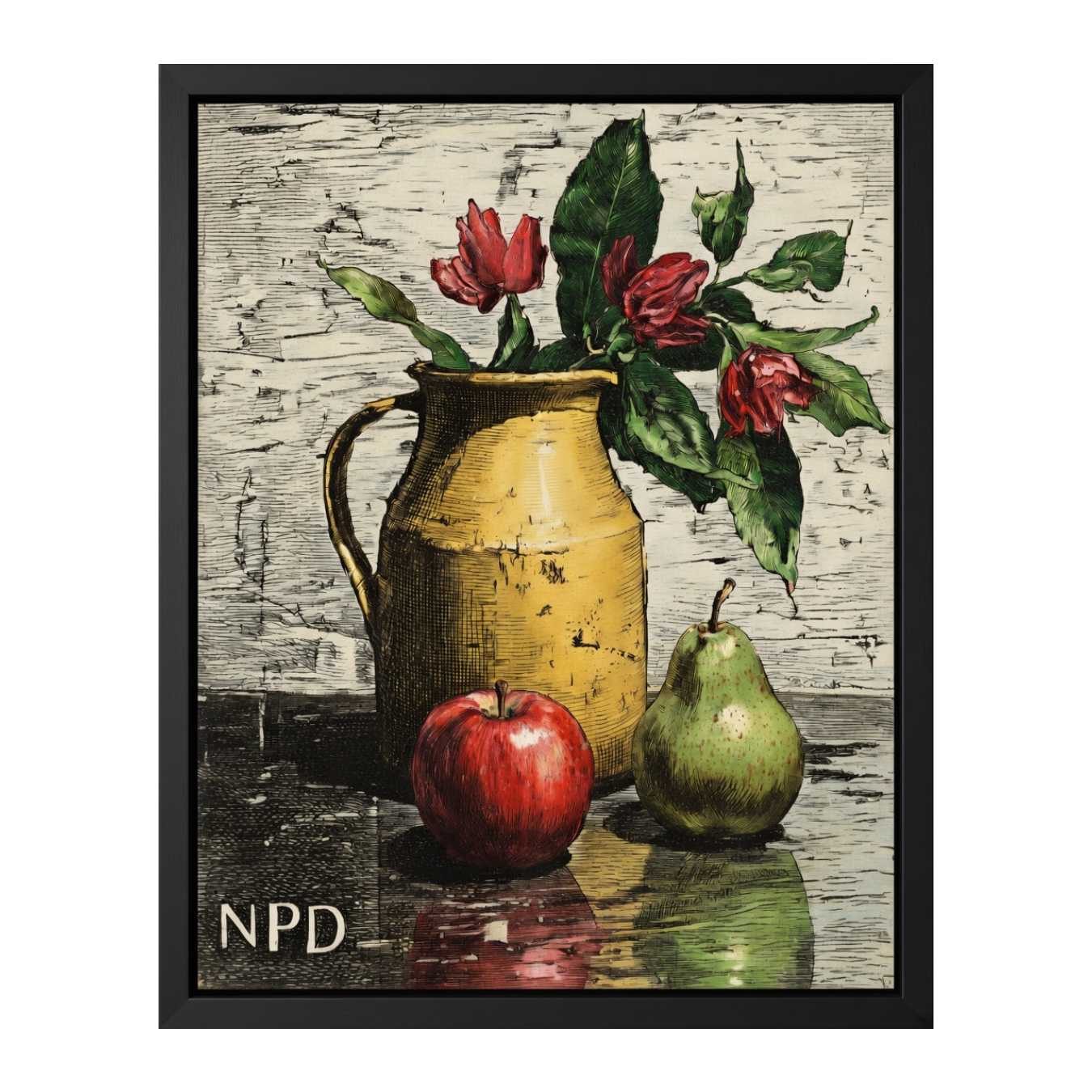
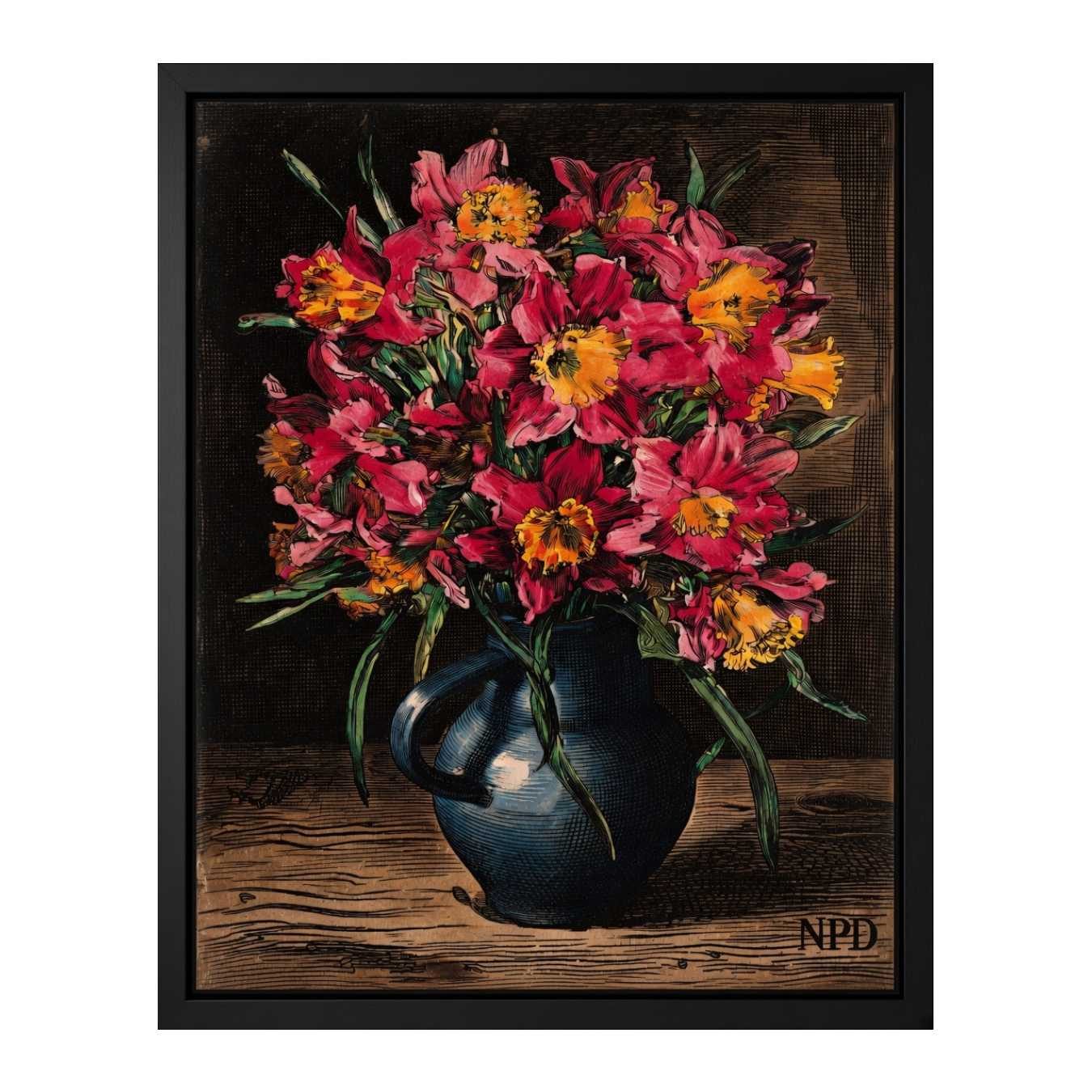
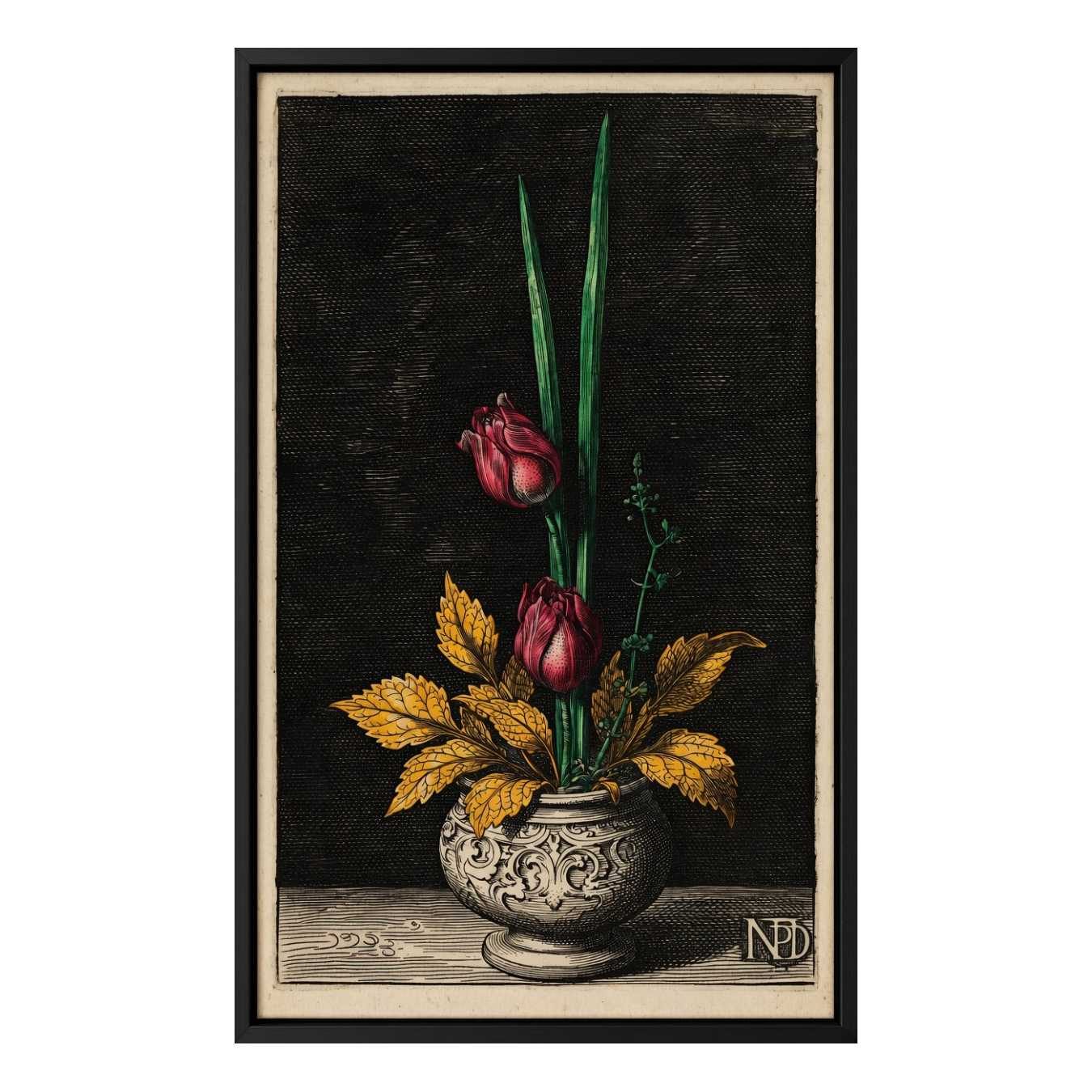
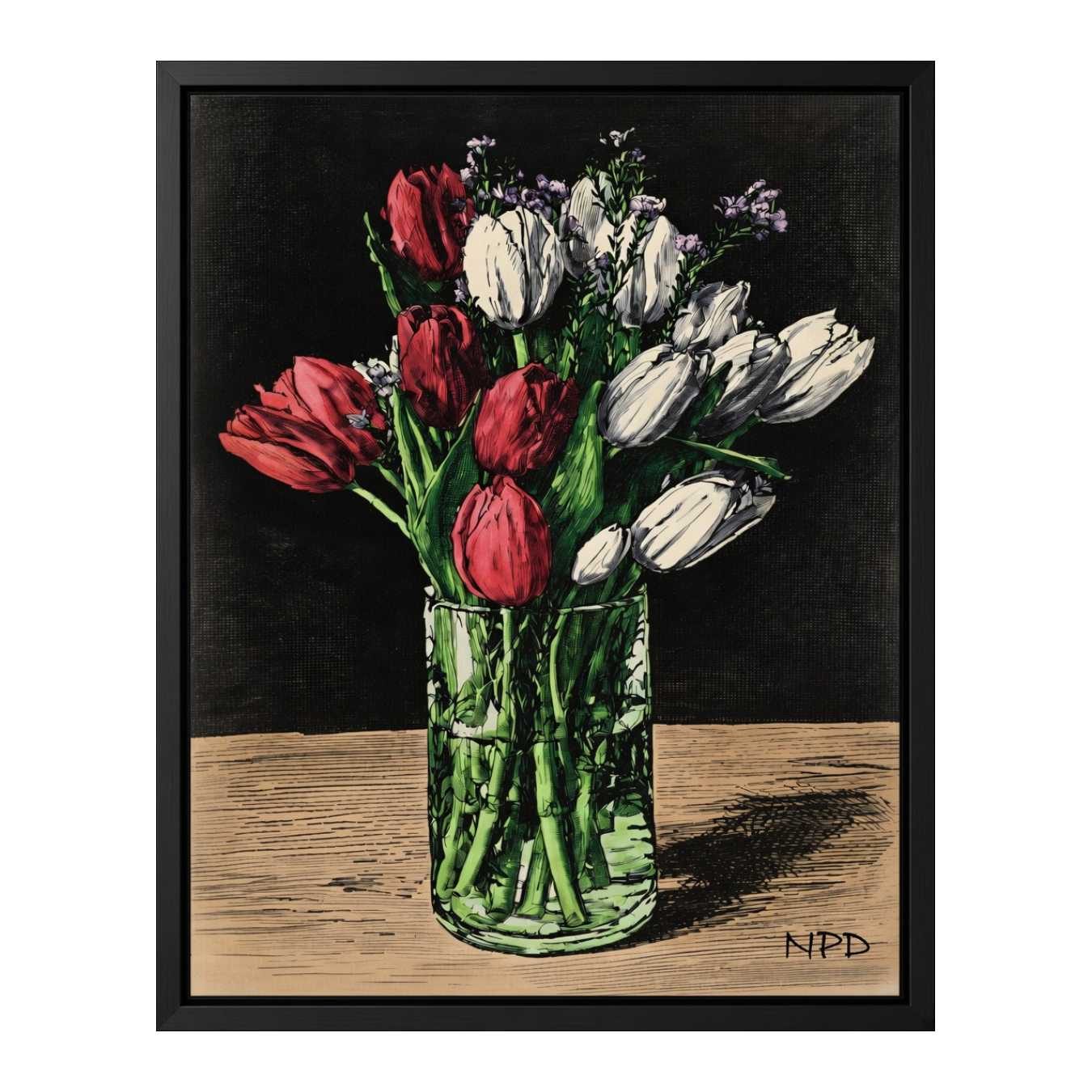
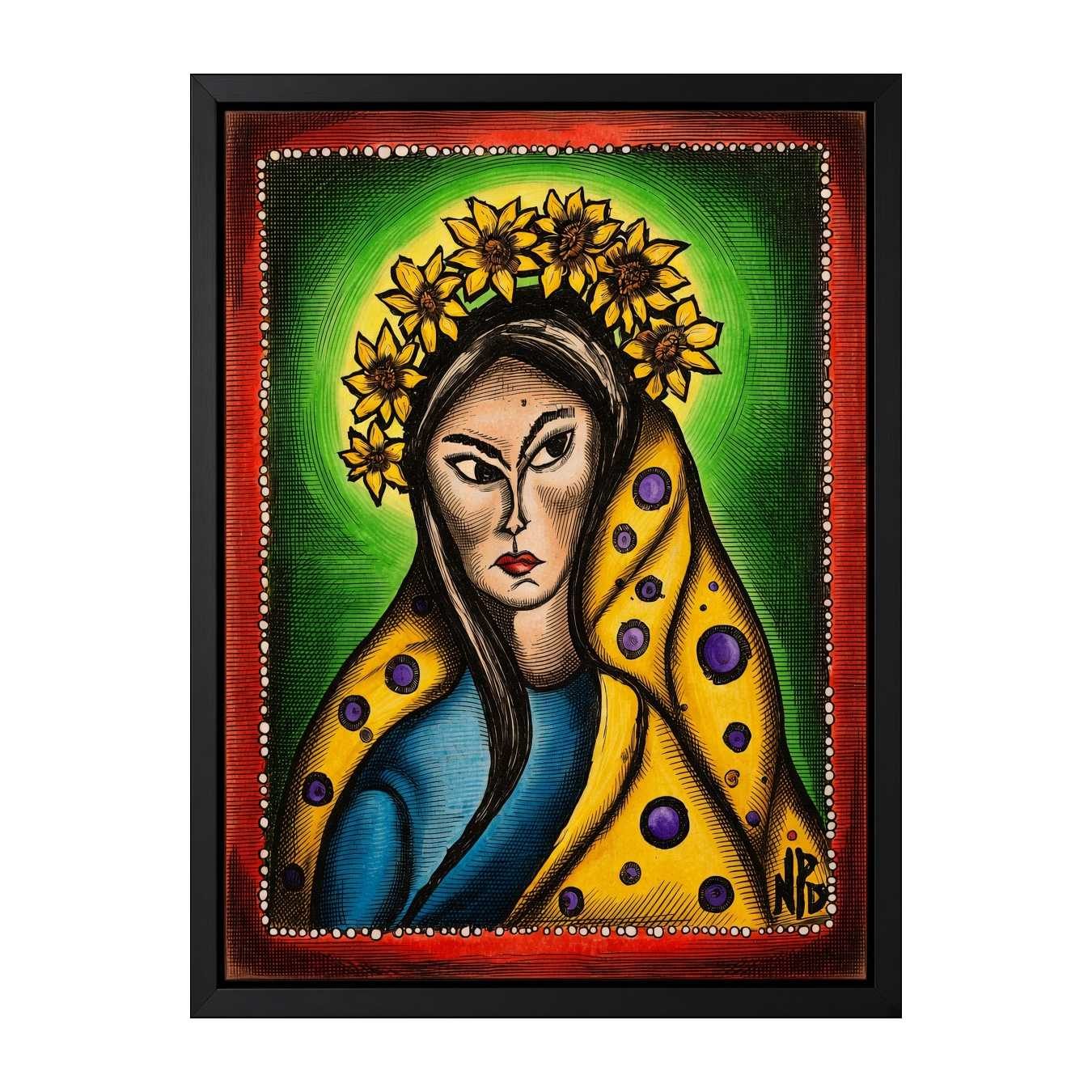
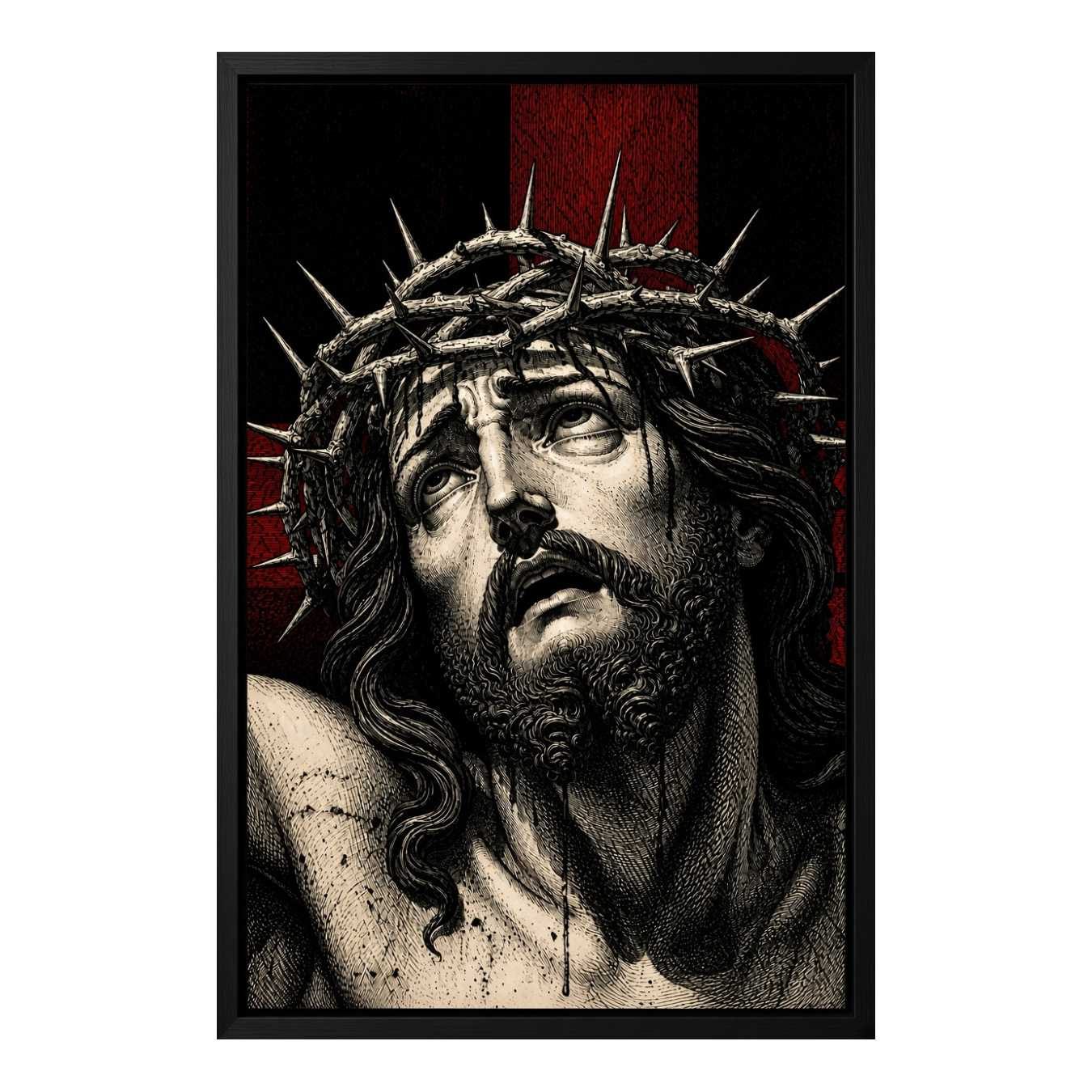
Eutrope d'Orange
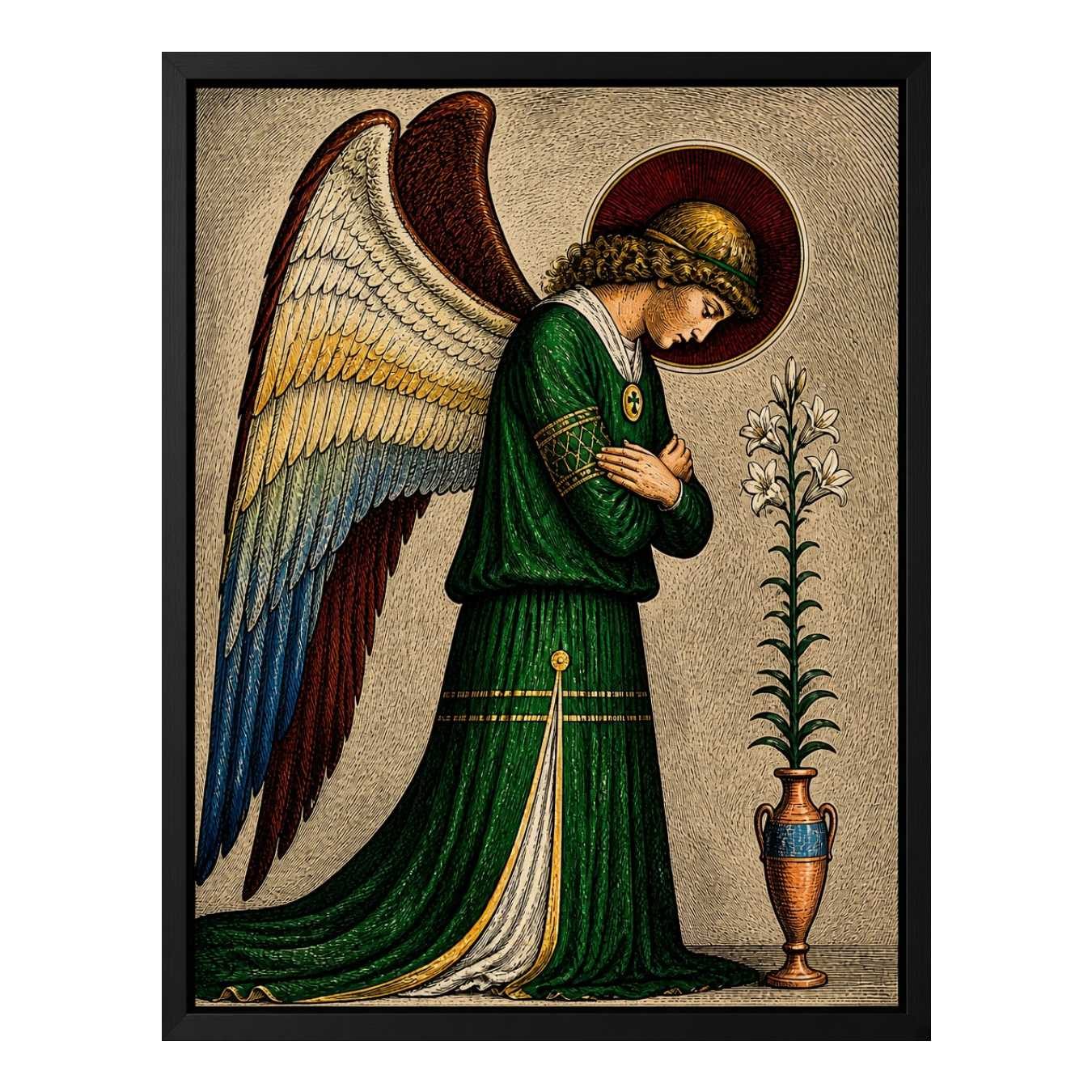
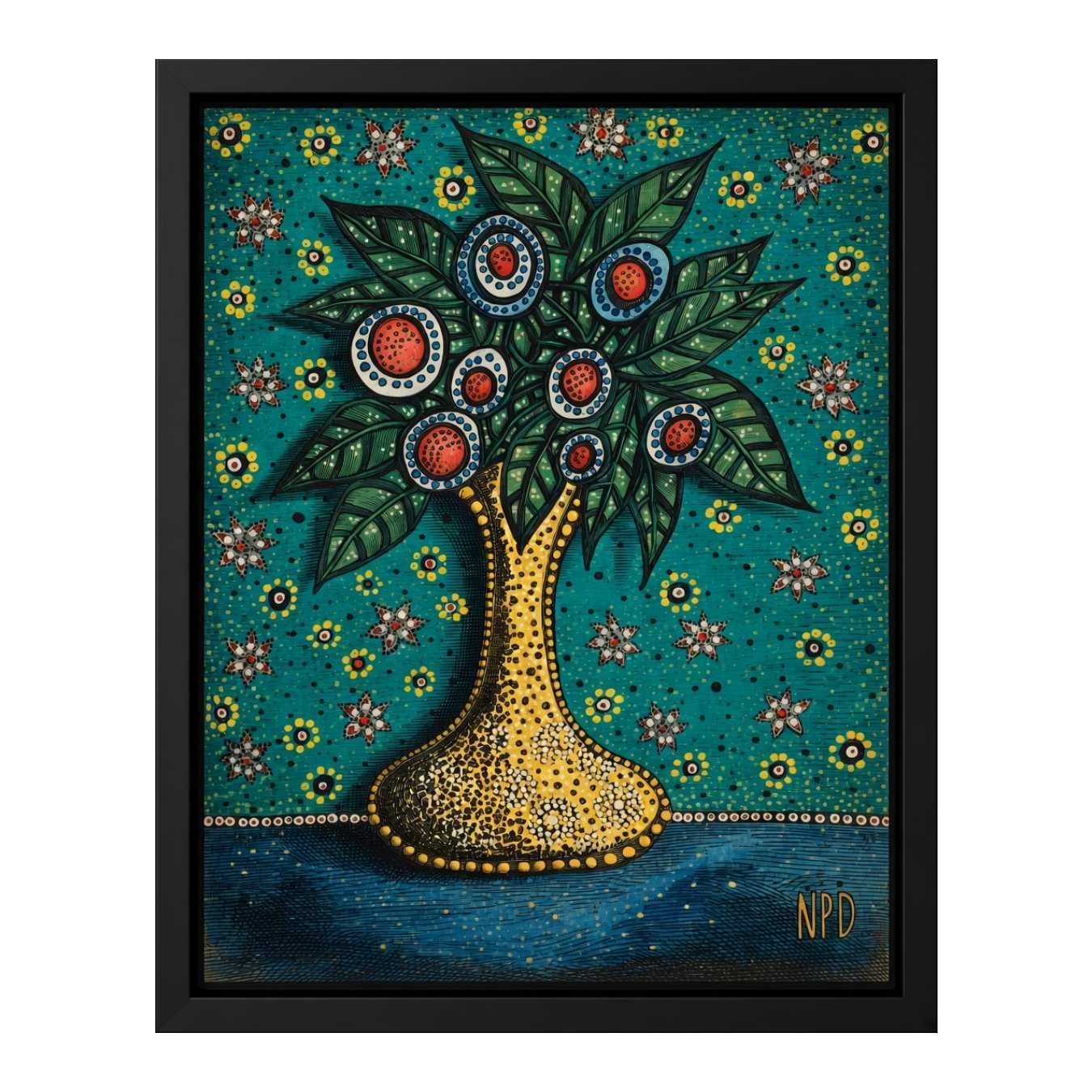
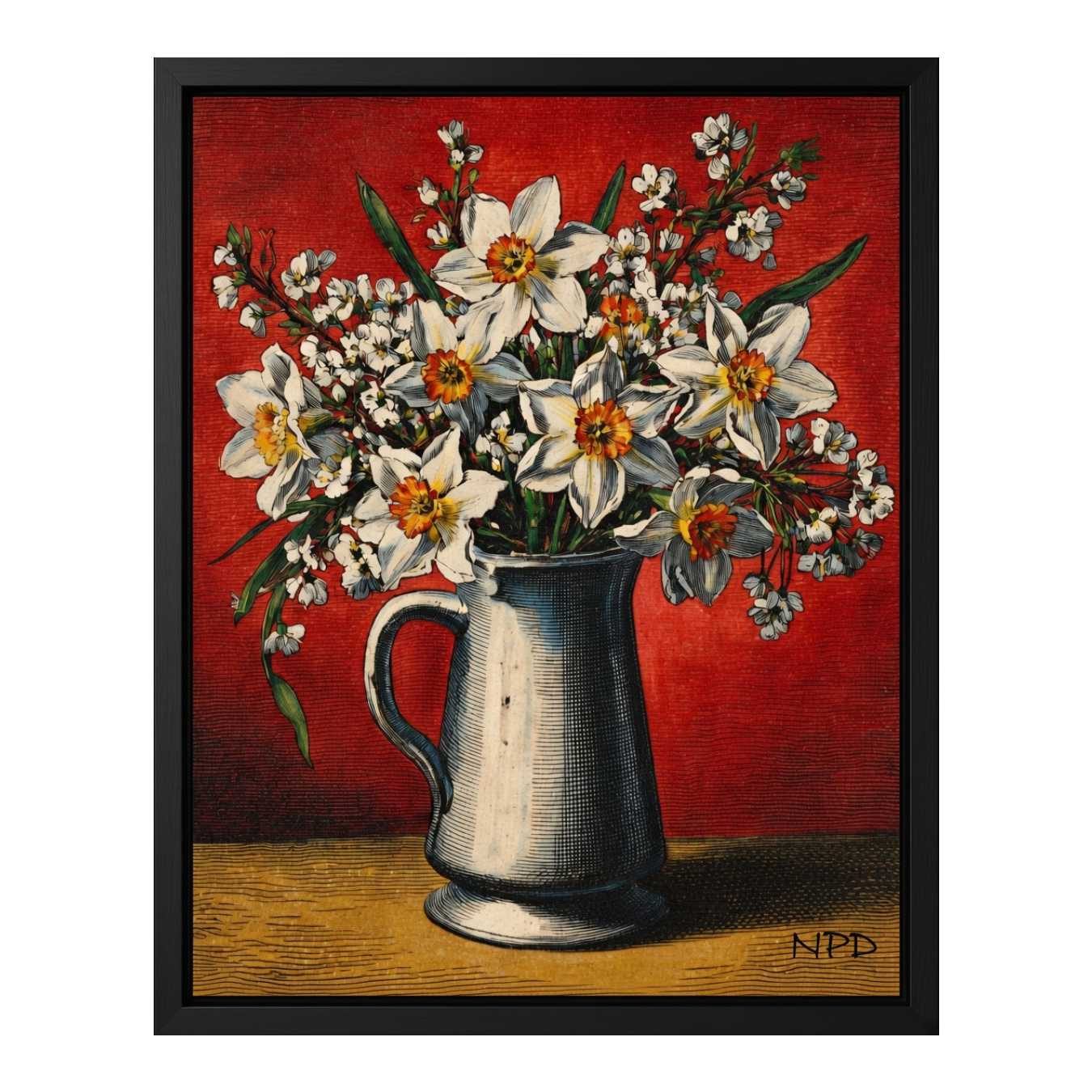
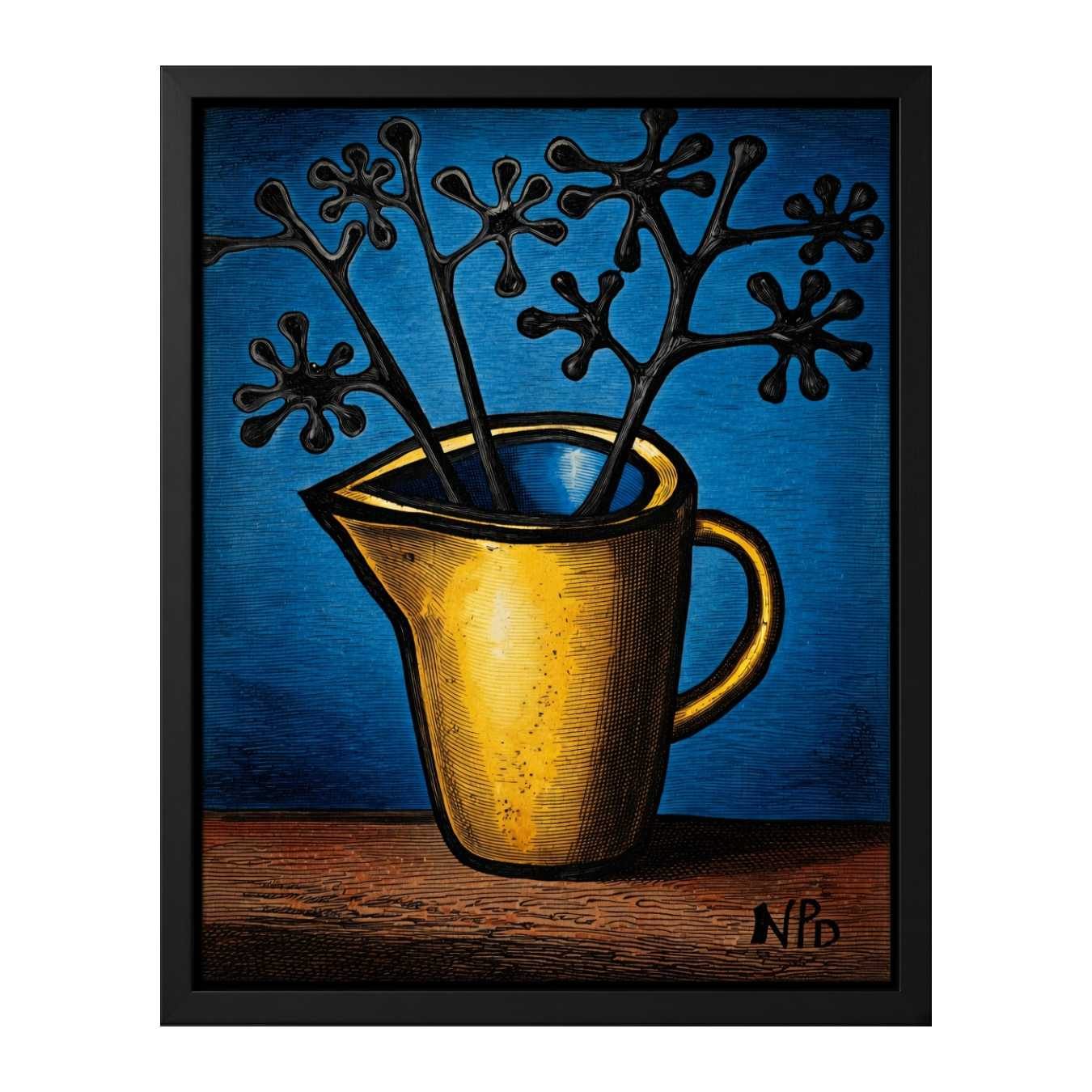
Eutrope d’Orange is the visual universe of Noel Perez Delgado, featuring 400+ designs. Each work blends classical engraving textures, jewel-tone palettes, and symbolic storytelling to create art that feels both ancient and modern—structured yet dreamlike. Inspired by architecture, literature, and myth, these pieces are crafted as portals: windows into worlds shaped by emotion, geometry, and the tension between reality and the surreal.
https://www.redbubble.com/people/EutropedOrange/shop